
JARRITOS
Creative Operations · Brand Partnerships · Experiential Activation
Helping Jarritos extend its cultural credibility through contemporary brand partnerships by building the operating infrastructure around an expanding creative practice.
IMPACT
Built the research, design and operating infrastructure behind an expanding creative-partnership practice—helping Jarritos translate a distributed network of cultural relationships into collaborations across Nike SB, skate, art and contemporary design.
BUILDING FROM CULTURAL CREDIBILITY
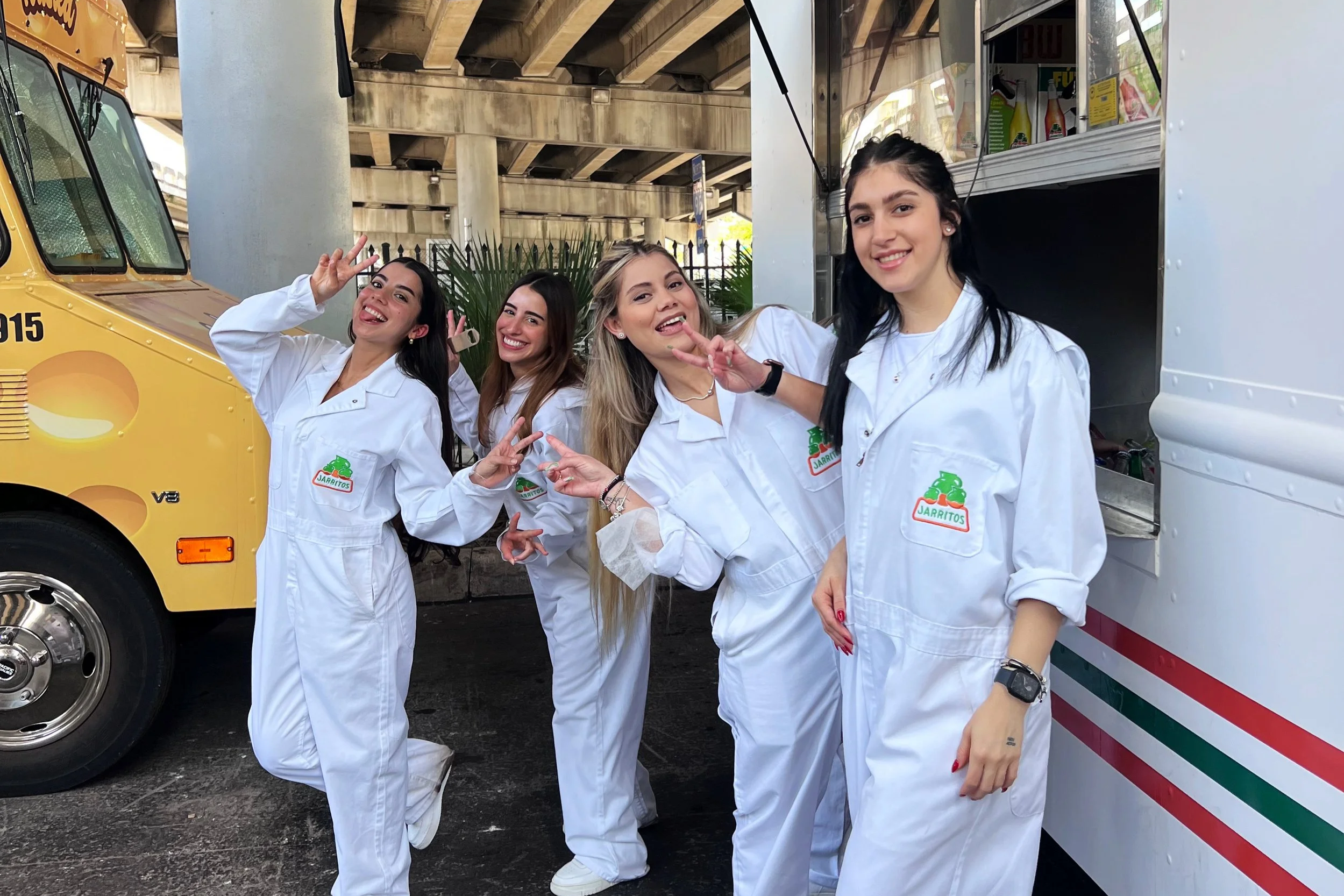
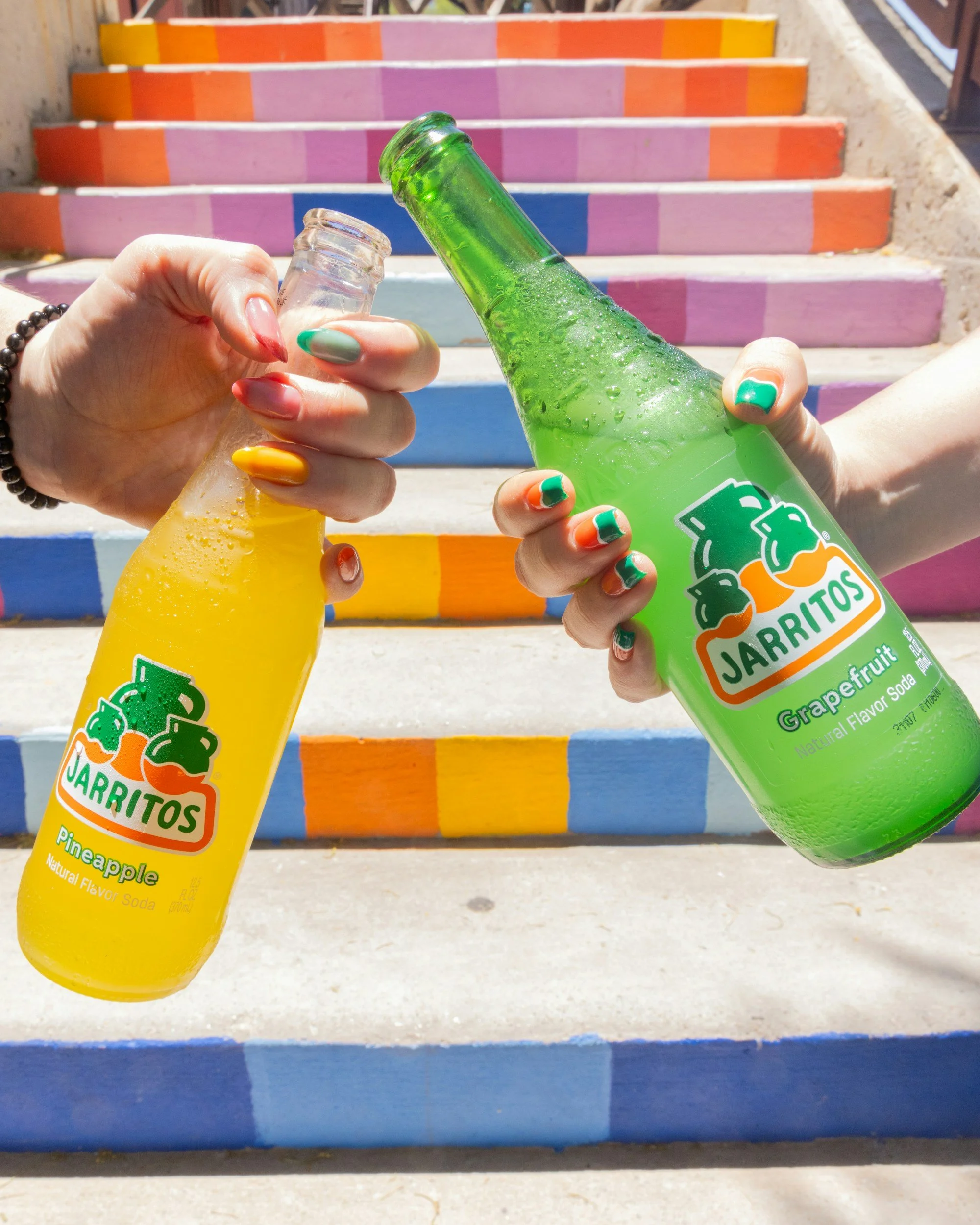
Jarritos did not need to invent an authentic brand story. Its Mexican heritage was already embedded in everyday culture—from family gatherings and neighborhood bodegas to work sites and skate communities. The opportunity was to recognize where the brand already belonged and give that cultural role greater expression through collaborations that felt additive rather than manufactured. Creative Director Severino Alvarez was leading that evolution, using relationships across skateboarding, fashion, art and design to make Jarritos increasingly collaborative while staying close to the identity people already valued.
As the ambition and network around the work expanded, Seve brought me on board to help develop the practice and bring greater structure to the brand’s creative ambitions. I built operational, research and design infrastructure around his creative direction: translating emerging opportunities into briefs, research and partner propositions; coordinating collaborators and internal stakeholders; and helping a distributed network move from relationship to executable work.
The challenge was one of creative scale: how do you give a highly relational partnership practice enough structure to grow without replacing the trust, instinct and cultural specificity that make it valuable?
TRANSLATING RELATIONSHIPS INTO CREATIVE TERRITORY
Nike SB became a powerful expression of that model. Seve had pursued conversations with Nike over several years before finding the right alignment within its skateboarding division. The strategic fit came from an existing cultural adjacency: Jarritos was already part of the everyday landscape around skate culture, while Nike SB had built its own relevance through close relationships with skaters, shops and collaborators. Seve saw the possibility for two legacy brands to build something new from territory they already authentically shared.
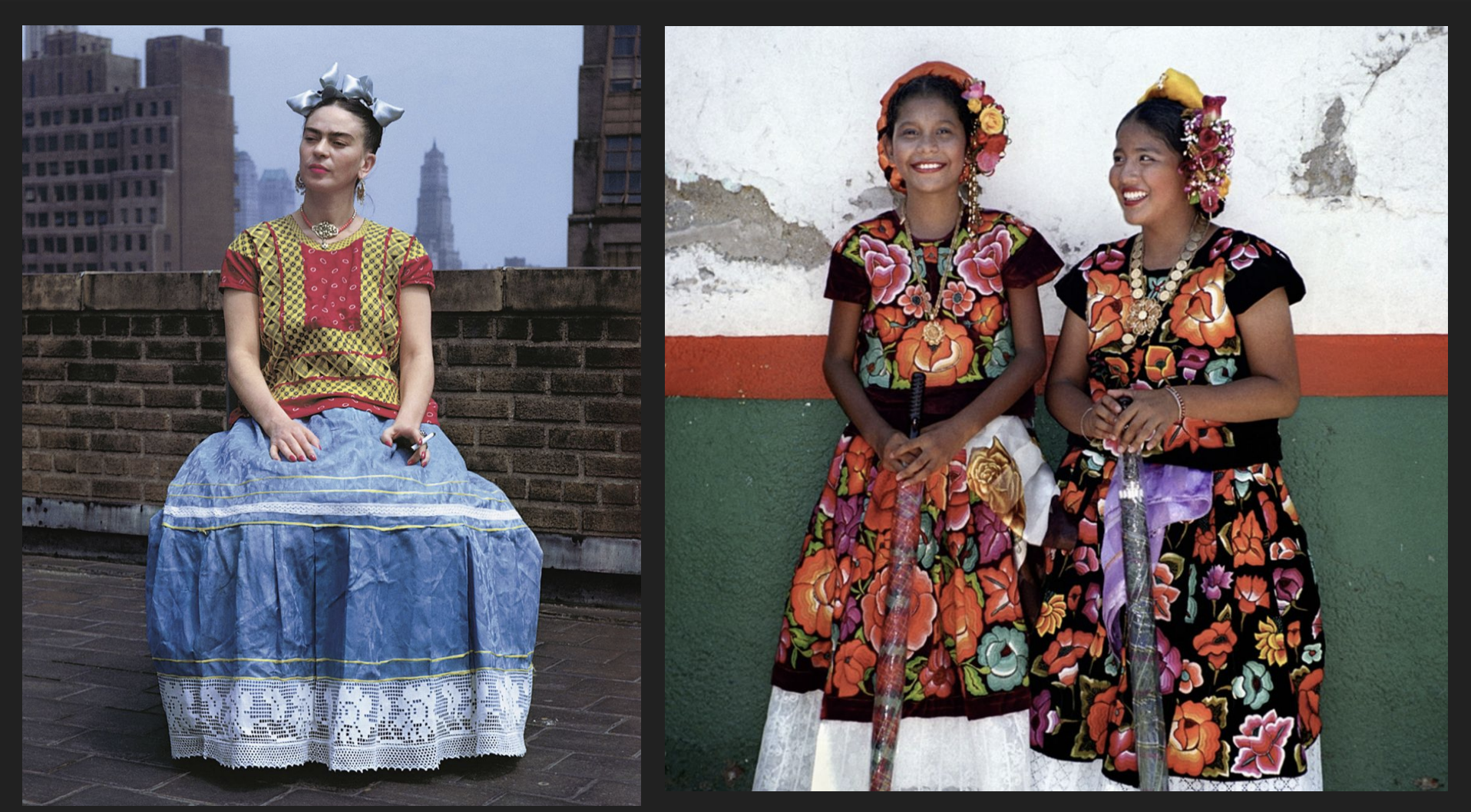
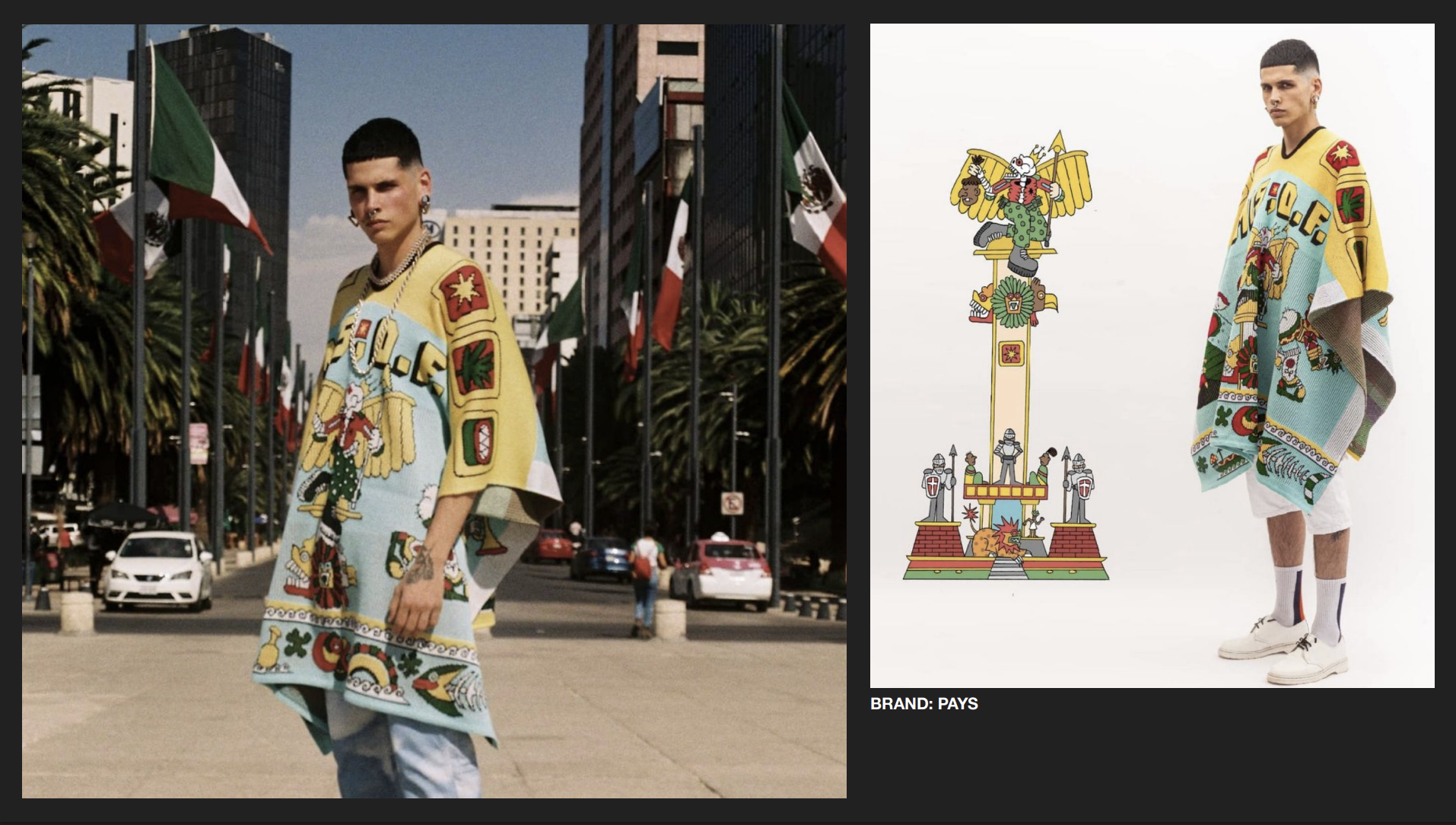
As that relationship developed, I helped build a cultural and brand research foundation connecting Jarritos’ history and visual language with Mexican material culture, contemporary streetwear and Nike SB’s own collaboration history. The work moved from traditional dress and craft into emerging Mexican fashion and skate culture, helping establish a shared creative context from which the partnership could explore.
The intention was not to prescribe the finished product, but to turn cultural instinct into structured intelligence and working material that would translate across organizations while leaving room for the creative teams to interpret it.
FROM CONCEPT TO PUBLIC EXPRESSION
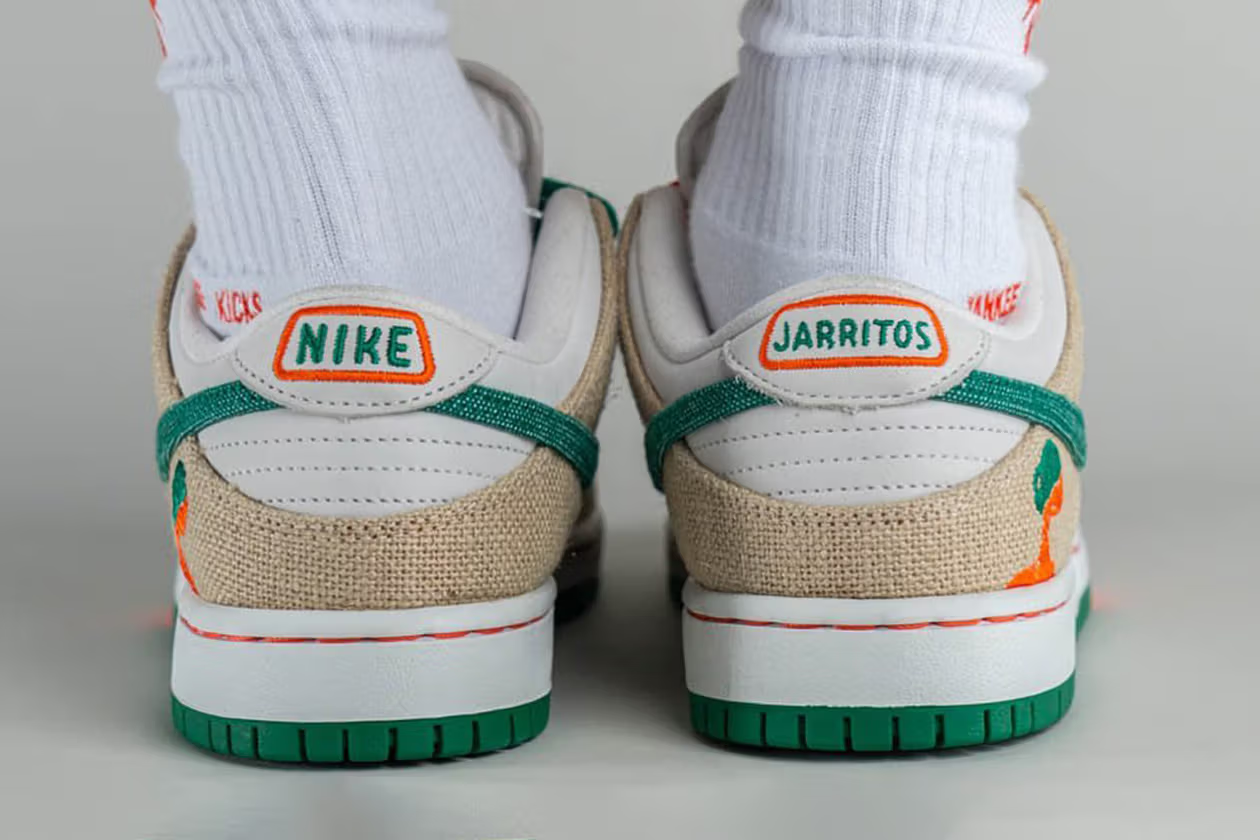
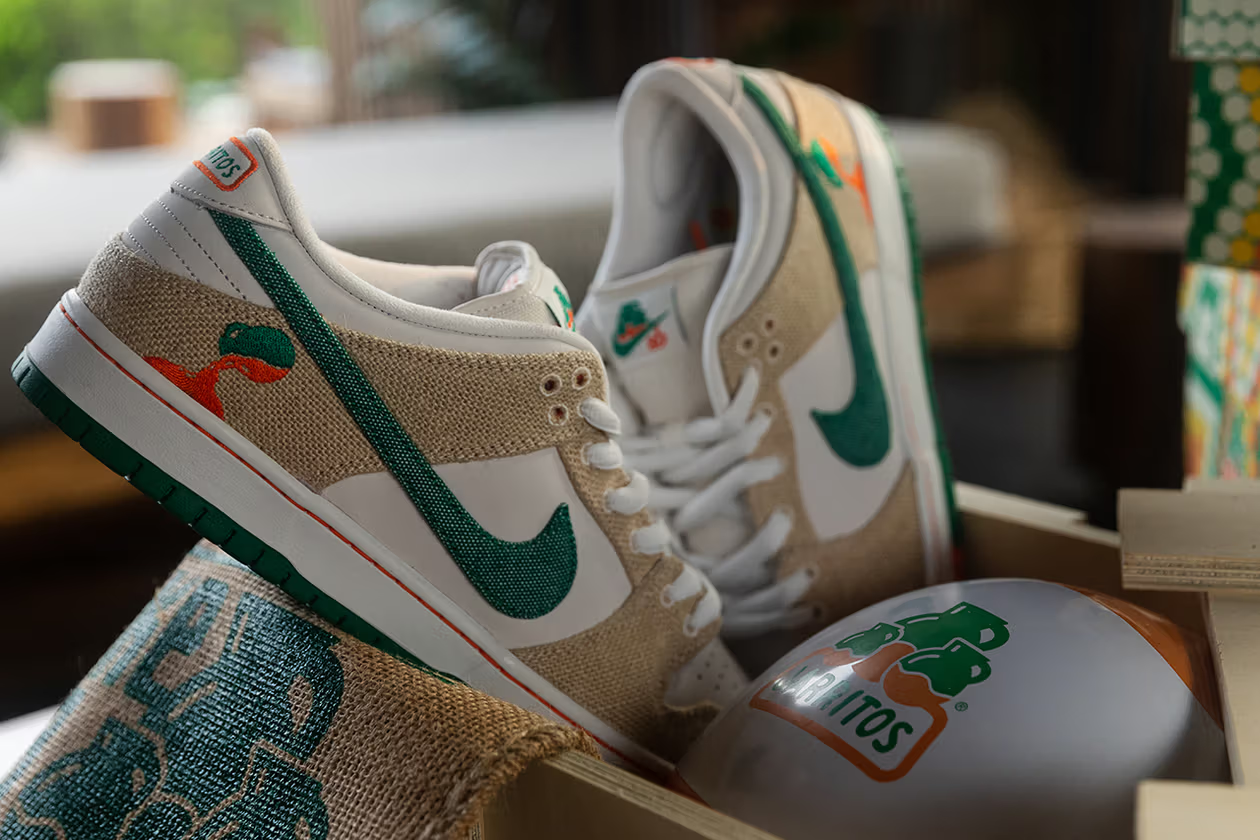
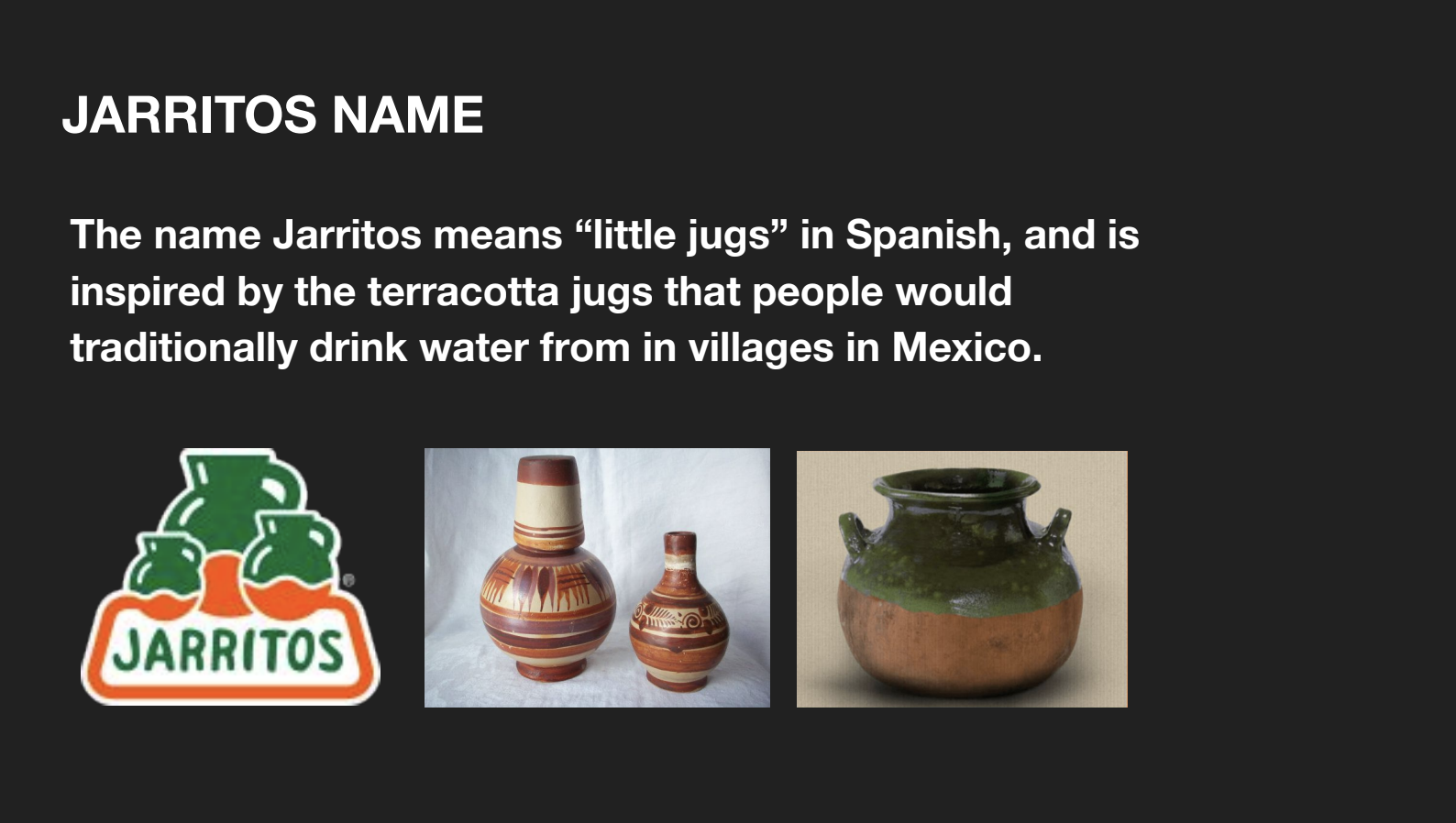
That exploration ultimately became the award-winning Nike SB × Jarritos Dunk Low and apparel collection, with Seve originating and directing the concept alongside teams across both organizations. The finished work drew deeply from Jarritos’ heritage—using references including the canvas bags traditionally used to harvest fruit, the brand’s citrus palette and its “Little Jugs” identity—rather than treating Jarritos as a logo applied to an existing product.
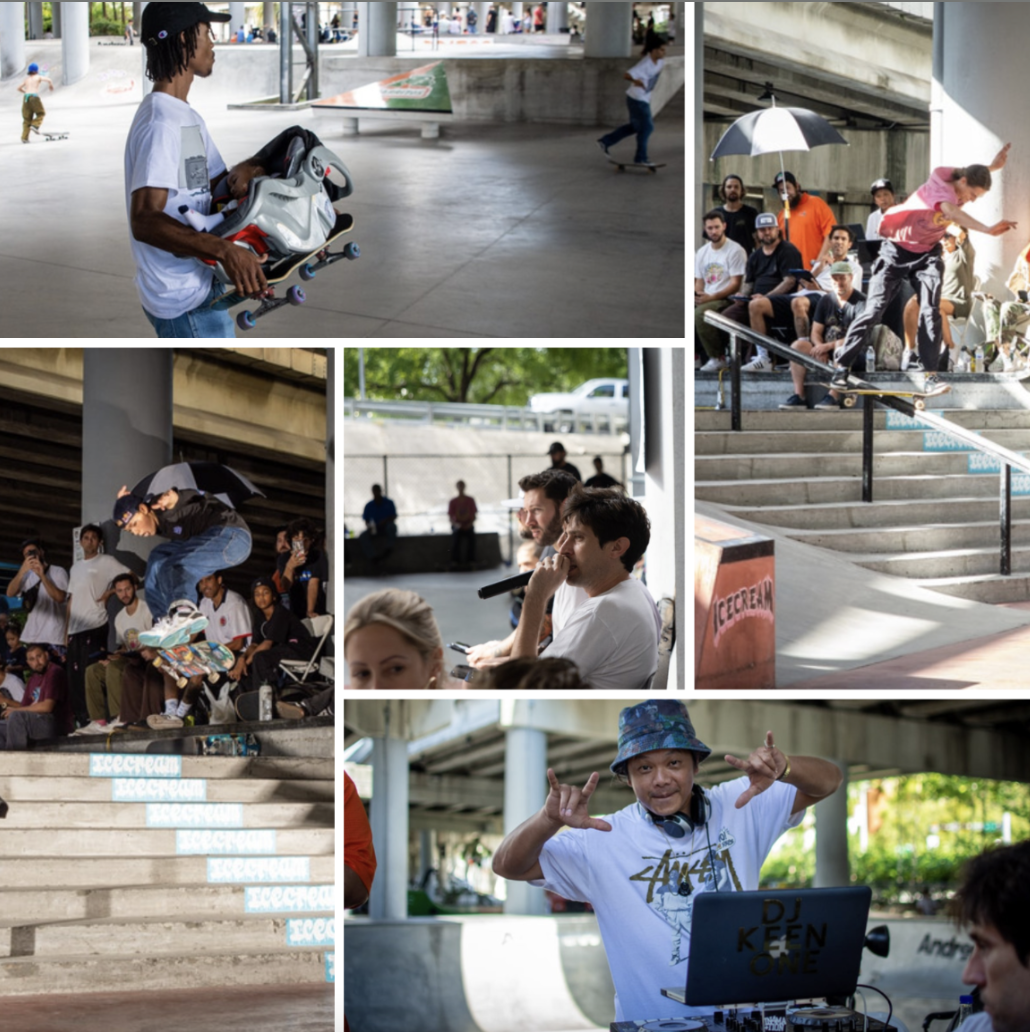
Nike was the most visible proof point of a broader creative-partnership practice. Around it, I helped support work spanning skate programming, Art Basel activations, Mexico Design Fair sponsorship development and collaborations across art and design. Different opportunities required different outputs, but the underlying operating need was consistent: establish the context, align the right people, translate creative intent into something actionable and keep distributed contributors moving around Seve’s direction.
The sneaker, murals, pop-ups, skate events and design partnerships were therefore the public edge of a larger system of relationships, research, coordination and creative infrastructure operating behind them.
DESIGNING SYSTEMS TO SCALE CREATIVE PRACTICE
The work became an early model for how relationship-led creative practices scale. A Creative Director can hold the taste, relationships and central point of view, but as the network grows, the practice needs architecture around it: research that creates shared understanding, tools that translate ideas across organizations and operating systems that help distributed collaborators make things together.
This was the role I developed alongside Seve. I helped scaffold the practice around his creative direction—giving cultural opportunities enough definition and structure to move through brands, partners and production without turning an intuitive creative network into conventional campaign machinery.
The larger lesson was that infrastructure cannot manufacture cultural relevance. Its job is to protect and extend what already makes the work credible.