
LUFTHANSA
CITY CENTER
Service Design · Consumer Insights · Travel Innovation
Leading consumer research and service design to help Lufthansa City Center understand an emerging generation of travelers—and turn an uncertain market opportunity into a 0-to-1 service prototype.
IMPACT
Created a repeatable innovation pathway from consumer insight to live experimentation—helping Lufthansa City Center test a new customer, delivery model and role for the travel advisor before committing to scale.

READING THE NEEDS OF THE MODERN TRAVELER
In the years before the pandemic accelerated remote work and flexible travel, mobile technology, peer-to-peer platforms and changing work patterns were already reshaping how people planned, booked and experienced a journey. For Lufthansa City Center, a global network of independent travel agencies, that raised a strategic question: what role could a travel advisor play when customers could increasingly handle the transaction themselves?
Working through Intraprenör, I led a consumer-insight workstream to help LCC understand the change. I developed a future-of-travel report that moved beyond traditional demographic segmentation to examine emerging motivations, behaviors and traveler archetypes across the full journey. The research pointed toward a larger opportunity: as booking became easier, human expertise could shift from transaction management toward trusted guidance, experience design and continuity across a traveler’s life.



DEFINING THE OPPORTUNITY
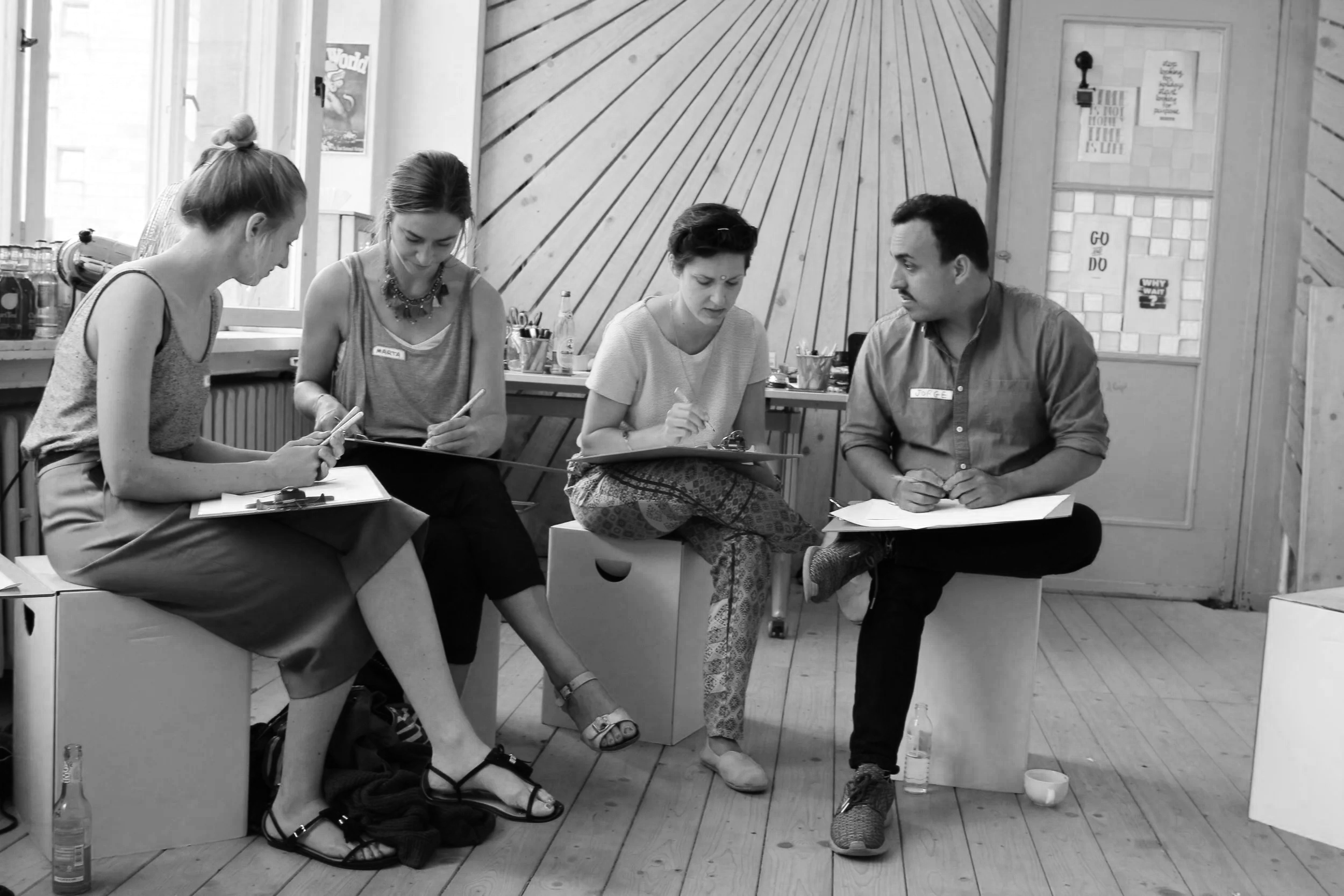
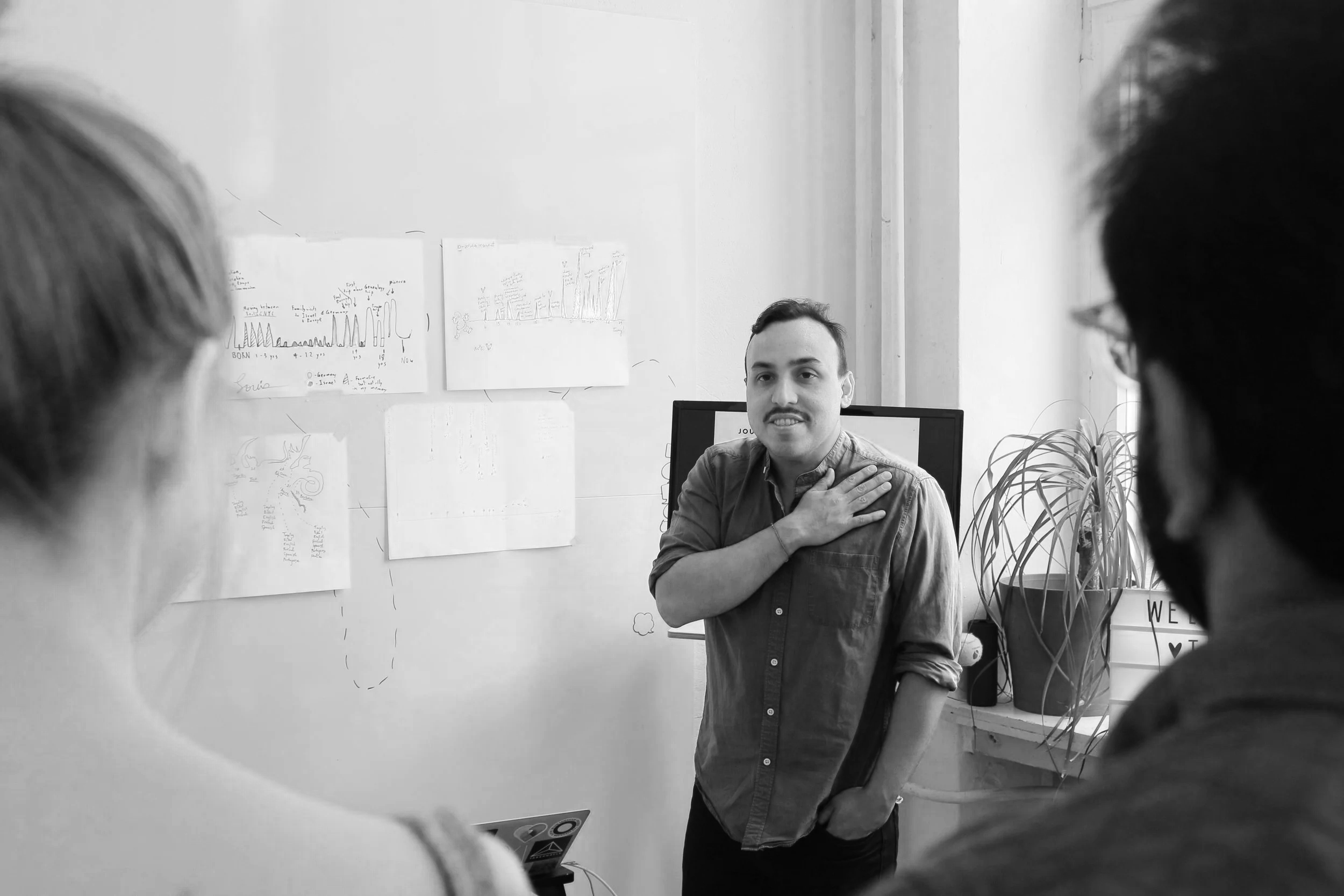
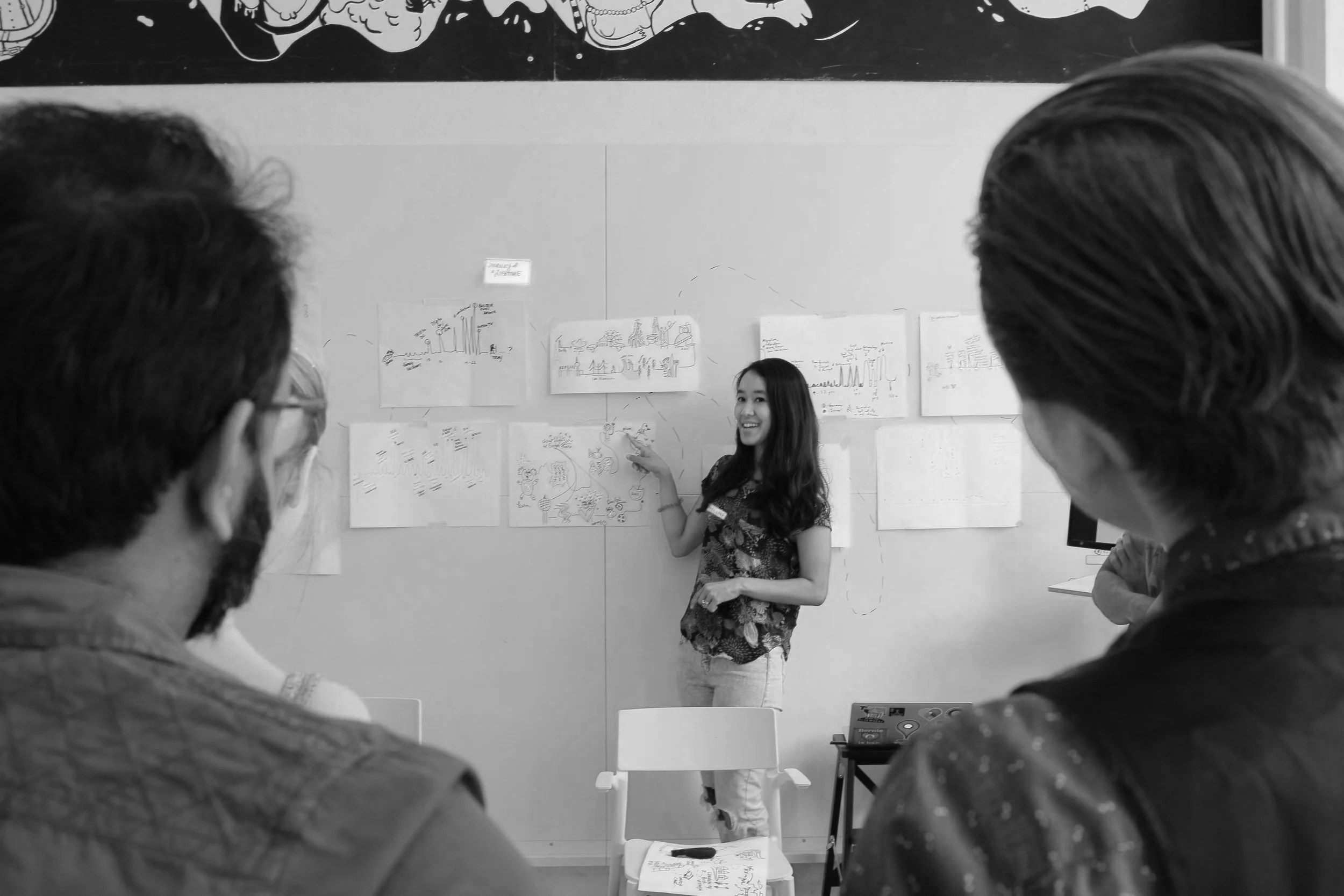
I translated that strategic hypothesis into a research system designed to find where Lufthansa City Center could credibly play. To bring human texture and context to the research program, I designed and facilitated a two-day Journey Lab, combining interviews, travel diaries, journey mapping and facilitated workshops with target customers to identify common pain points and road test emerging insights with real travelers and turn those observations into opportunities for new products, services and business models.
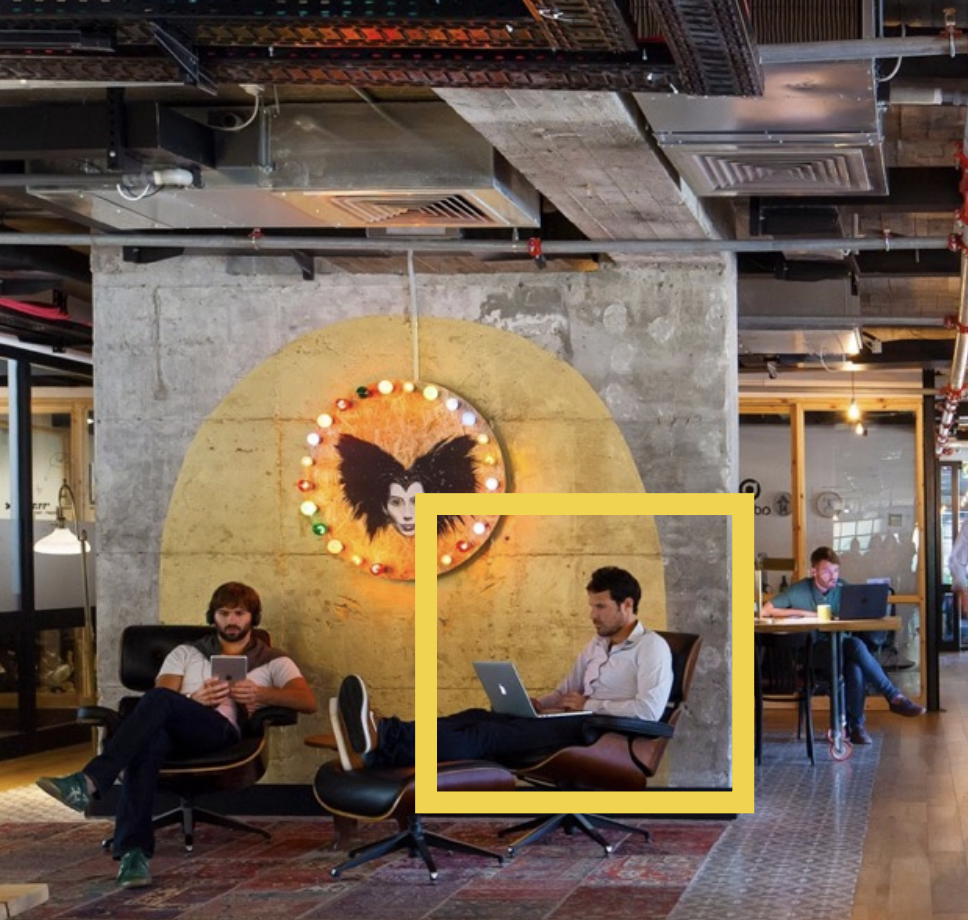
In parallel with this workshop intervention, I designed and led a parallel research stream focused on the rapidly growing coworking economy. I studied coworking as a future-facing service ecosystem, mapped potential partners and conducted field research across startup and freelance communities across Europe. That work surfaced a critical design principle: coworking communities operated through trust and participation, not conventional corporate distribution. If Lufthansa wanted access to a new generation of customers, it would need to become part of their environment rather than simply market into it.
INTRODUCING SCOTTY
The research converged around a different role for the travel advisor. As search, booking and increasingly intelligent digital tools absorbed more of the transactional work, the opportunity was not to compete with technology but to use it to make human expertise more valuable. We envisioned advisors supported by emerging AI and data capabilities—better able to understand a traveler’s context, navigate complexity and provide personalized guidance across the journey.
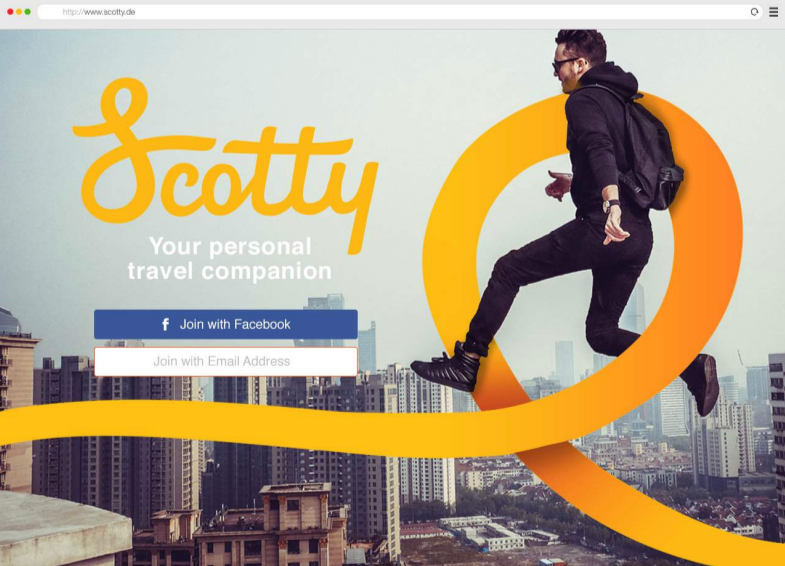
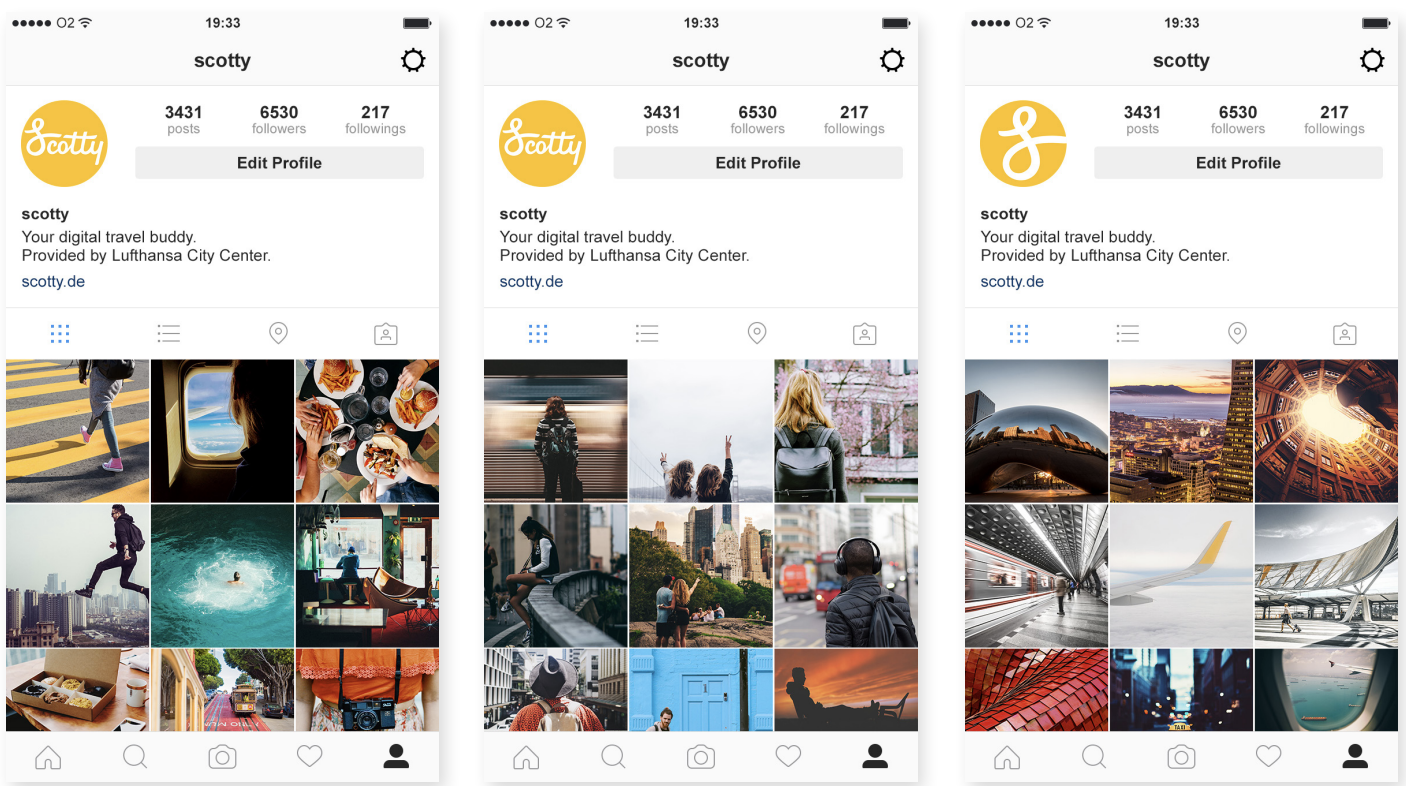
That thinking became Scotty: a standalone service prototype for startups, younger business travelers and emerging remote workers. I helped move the concept from insight into an operating proposition—shaping the value proposition, coworking delivery model, advisor experience, onboarding, service touchpoints and product learning loops, while providing strategic and creative direction for the external design partner developing the customer-facing brand.


FROM PROTOTYPE TO STRATEGIC LEARNING
Scotty gave Lufthansa City Center more than a new service concept. It created a disciplined way to explore unfamiliar market territory through user-centered design: consumer intelligence defined the shift, field research identified the context, service design translated insight into a proposition, and rapid prototyping created a real-world mechanism for testing assumptions and learning what deserved to scale.
My role was to connect those layers—helping the corporate team, innovation consultancy and creative partners move from an ambiguous question about the future of travel toward a coherent 0-to-1 service offering that was tangible enough to test, but deliberately lightweight enough to evolve. The underlying proposition was deliberately hybrid: use emerging technology to expand what the advisor could know and do, while preserving human judgment, trust and relationship as the distinctive value of the service.
The project demonstrated how consumer insight, service design and rapid prototyping can reduce the risk of innovation—not by predicting the future, but by building enough of it to learn what should come next.