WORLD
WILDLIFE FUND
Cultural Transformation · Organizational Leadership
Equipping a global organization to turn an executive mandate for cultural transformation into new ways of working that leaders and teams could adopt, adapt and scale.
IMPACT
Helped move WWF’s global culture transformation from executive mandate to organizational practice—convening cross-functional leaders, building new capabilities and translating emerging ways of working into organizational, learning, performance and employee-experience systems.
CHANGING THE WAY WE WORK — FOR THE PLANET
As the world’s largest conservation organization, WWF recognized that its federation of national offices needed to work differently to respond to increasingly global environmental challenges. Senior leaders began reorganizing the network around global practices spanning climate, food, finance, forests, freshwater, governance, markets, oceans and wildlife—connecting expertise across countries and functions around shared priorities.
But structural change alone would not create the collaboration, learning and adaptability the new model required. WWF also needed new ways of working across boundaries, with greater openness, experimentation and focus on impact.
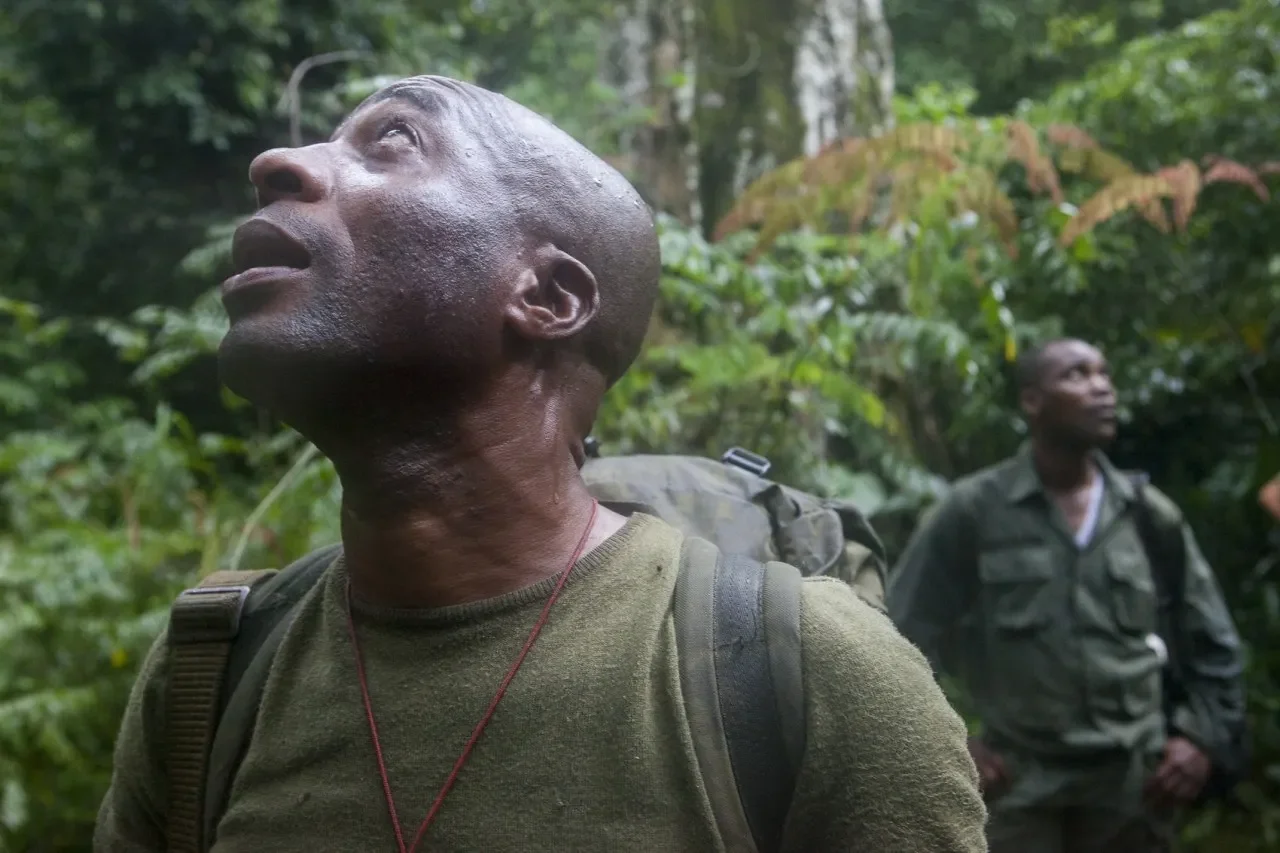
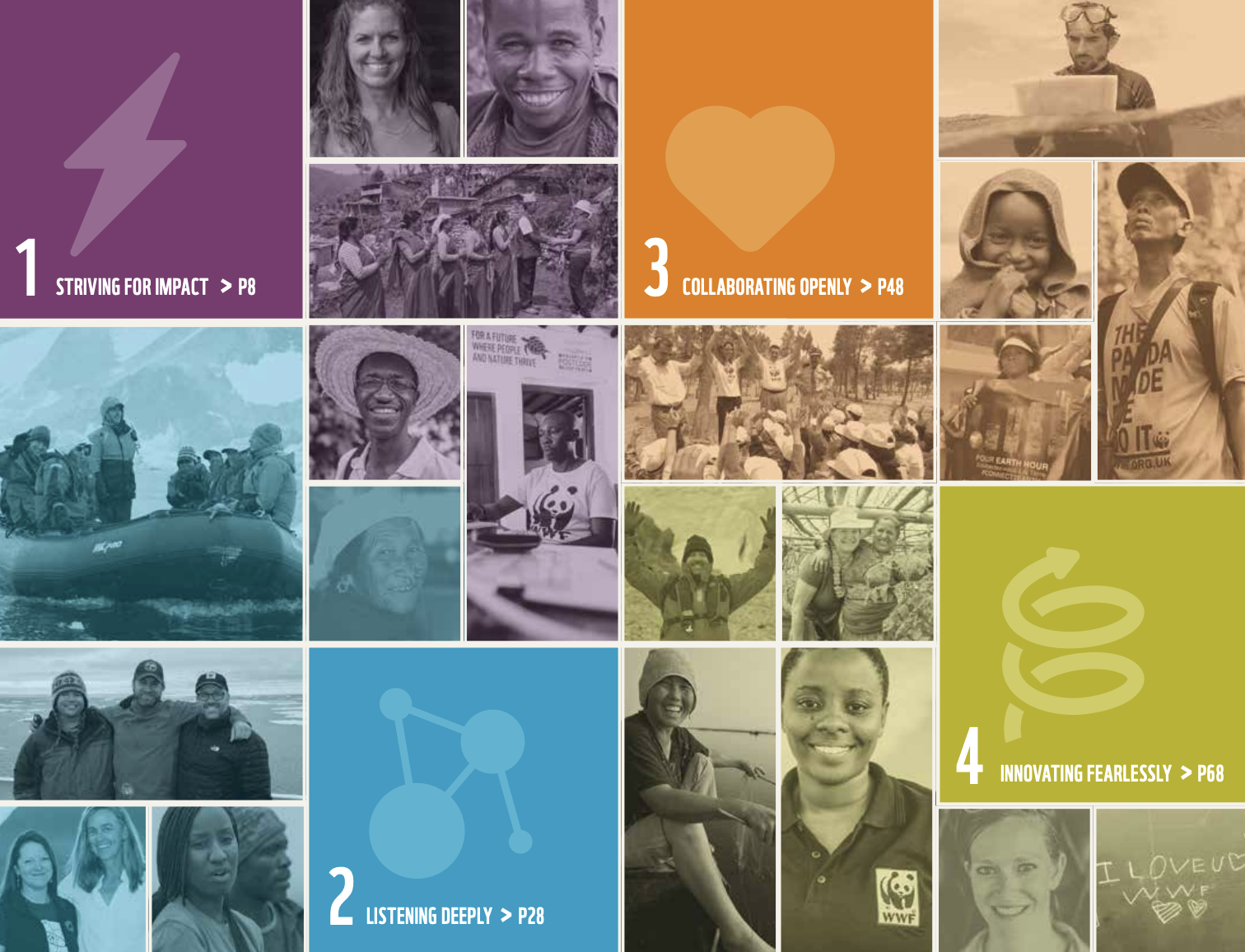
WWF brought together internal leaders and external consultants to help define and scale that shift. As part of the core team of consultants, I helped convene executives and program leaders, facilitate alignment and translate insights from across the network into a shared set of behaviors: Striving for Impact, Listening Deeply, Collaborating Openly and Innovating Fearlessly. From there, my work moved from defining the change to testing it in practice and embedding it across the organization at scale.
BUILDING A LEADERSHIP NETWORK TO CARRY THE CHANGE
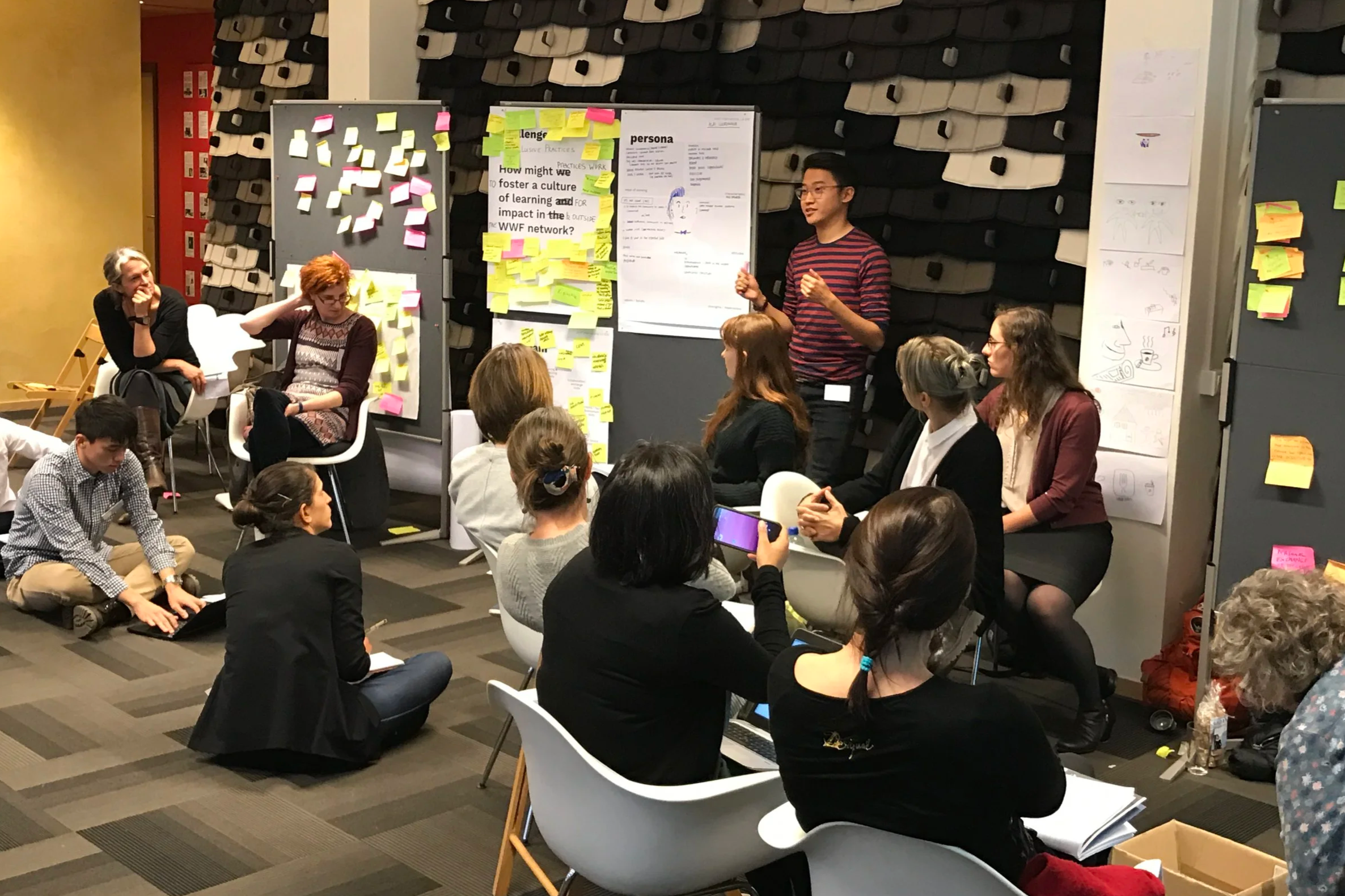
From there, I helped move the work from definition into practice. I designed and facilitated cross-functional working sessions where executives, functional leaders and program owners applied the emerging behaviors to live organizational challenges—diagnosing barriers, comparing perspectives, developing prototypes and testing new approaches to collaboration, learning and decision-making.
Those sessions created a feedback loop between strategy and implementation. What leaders encountered in their own teams and regions informed the evolving model, while the shared framework gave them a common language for approaching their work differently. Over time, I established recurring working sessions and one-to-one relationships across the organization, which gave me the context and trust to connect work happening across leadership development, onboarding, performance management, learning and other transformation initiatives.
That proximity also meant I could spot where an experiment was gaining traction and help carry it into another part of the organization—turning isolated prototypes into approaches that could be adapted, tested and eventually institutionalized more broadly.
BUILDING THE CAPABILITY TO WORK DIFFERENTLY
As the transformation moved into implementation, we paired senior-level strategy work with hands-on capability building so the new ways of working could be practiced and owned rather than simply communicated. I designed learning experiences that brought human-centered design, systems thinking, rapid prototyping and collaborative problem solving into existing workstreams, giving leaders and program teams practical ways to test different approaches.
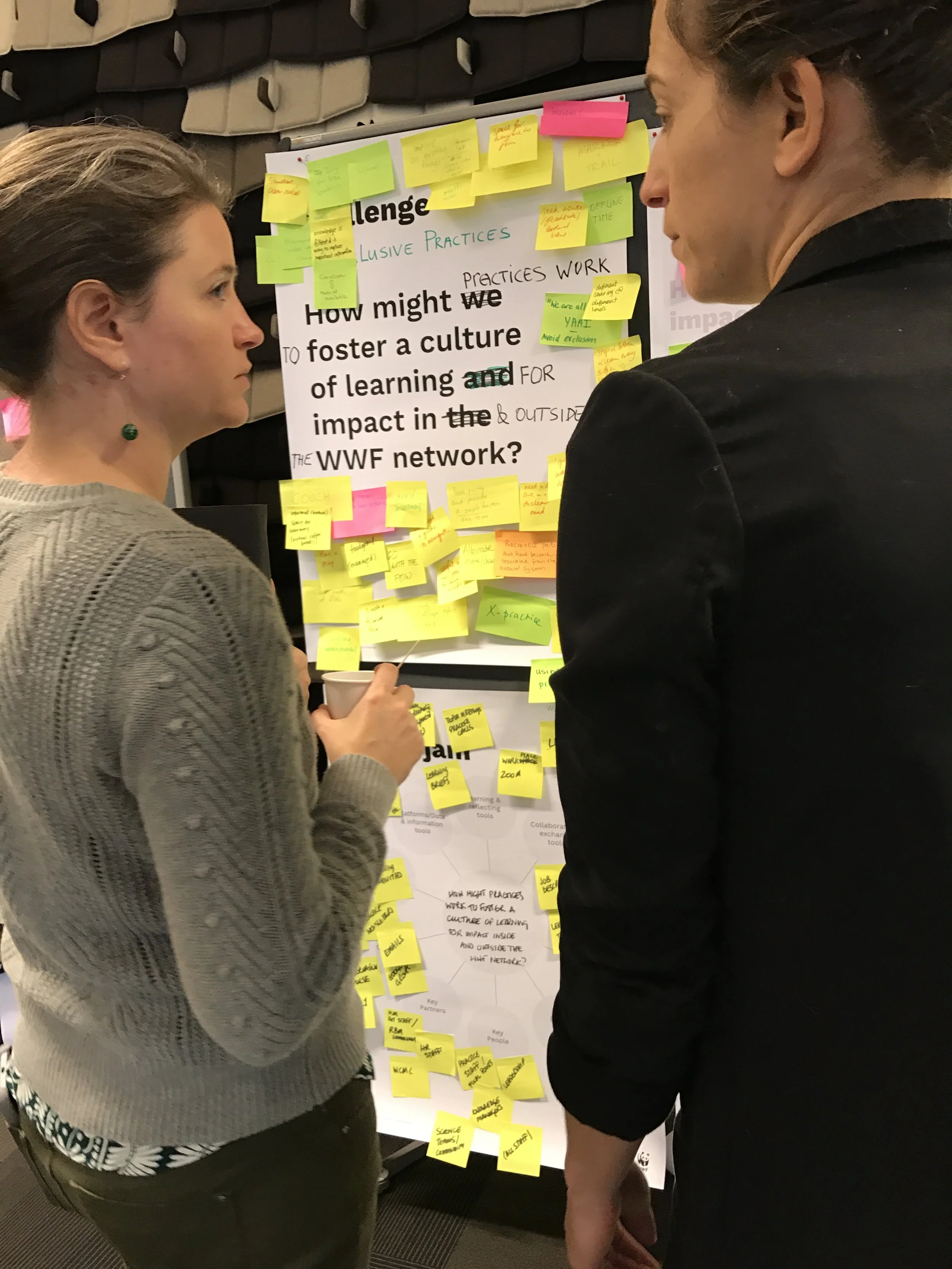
One example was a three-day Global Learning & Adaptive Management workshop I designed and hosted for network leaders. Participants moved from identifying systemic challenges through research, ideation and prototyping, then translated the strongest ideas into practical experiments they could carry back into their own planning cycles. The experience was built around learning by doing, with ownership shifting from facilitators to the people responsible for carrying the work forward.
Across the broader transformation, we turned these approaches into repeatable formats, tools and facilitation methods that teams could adapt in their own contexts. The goal was to build enough internal capability for the work to continue without the original transformation team.
FROM PROTOTYPES TO SYSTEMS
As the work matured, the focus shifted from experimentation to institutionalization. I worked across People & Culture, learning, communications and other functions to carry what we were learning into the systems and experiences that shaped how people worked every day.
That meant translating the new ways of working into performance management, leadership and new-hire onboarding, manager development, feedback practices, learning resources, leadership communications and employer-brand touchpoints. To help codify and scale the work, I brought in an agency partner to develop a more coherent brand and visual system around the behaviors, including WWF’s first Culture Book, which gave the organization a shared language, practical guidance and examples of what the behaviors looked like in practice.
What began as a set of experiments became part of WWF’s organizational infrastructure. The progression was deliberate: define the change, align leaders around it, test it through real work, build the capability to practice it, and embed what worked into the systems that could sustain it at scale.