
AIRBNB EXPERIENCES
Marketplace Quality · Design Operations · Creative Direction
Building a global quality practice for Airbnb’s inbound Experiences funnel—aligning an open marketplace with a new product vision and extending creative judgment across teams and regions at scale.

Feeling samurai soul, hosted by Yusuke Photo: AirbnbIMPACT
Built and directed a global quality practice across eight curators and 30+ vetting agents, translating creative judgment into shared standards and AI-assisted infrastructure that helped Organic scale as a major source of marketplace supply and GBV.
SHAPING THE MARKETPLACE’S FRONT DOOR
Where Originals actively sourced the world’s most exceptional hosts, Airbnb’s Organic Experiences supply opened the door more broadly—giving passionate people around the world a way to bring their expertise and local knowledge directly onto the Experiences marketplace.
That openness was essential to scale, but it exposed a quality problem. Legacy supply often reflected an earlier product vision, standards varied across workstreams and thousands of ambiguous cases had accumulated in review. Organic needed a clearer creative and product lens without becoming so restrictive that it undermined the diversity of the marketplace.
I stepped into the funnel at that inflection point, working directly through the backlog to understand where existing criteria held, where market realities required greater flexibility and where the business needed to protect the new product vision. In partnership with Product Marketing, Scaled Operations, Supply and business teams, I helped consolidate that learning into a shared quality standard that could travel across sourcing, vetting and design while still accommodating local context.
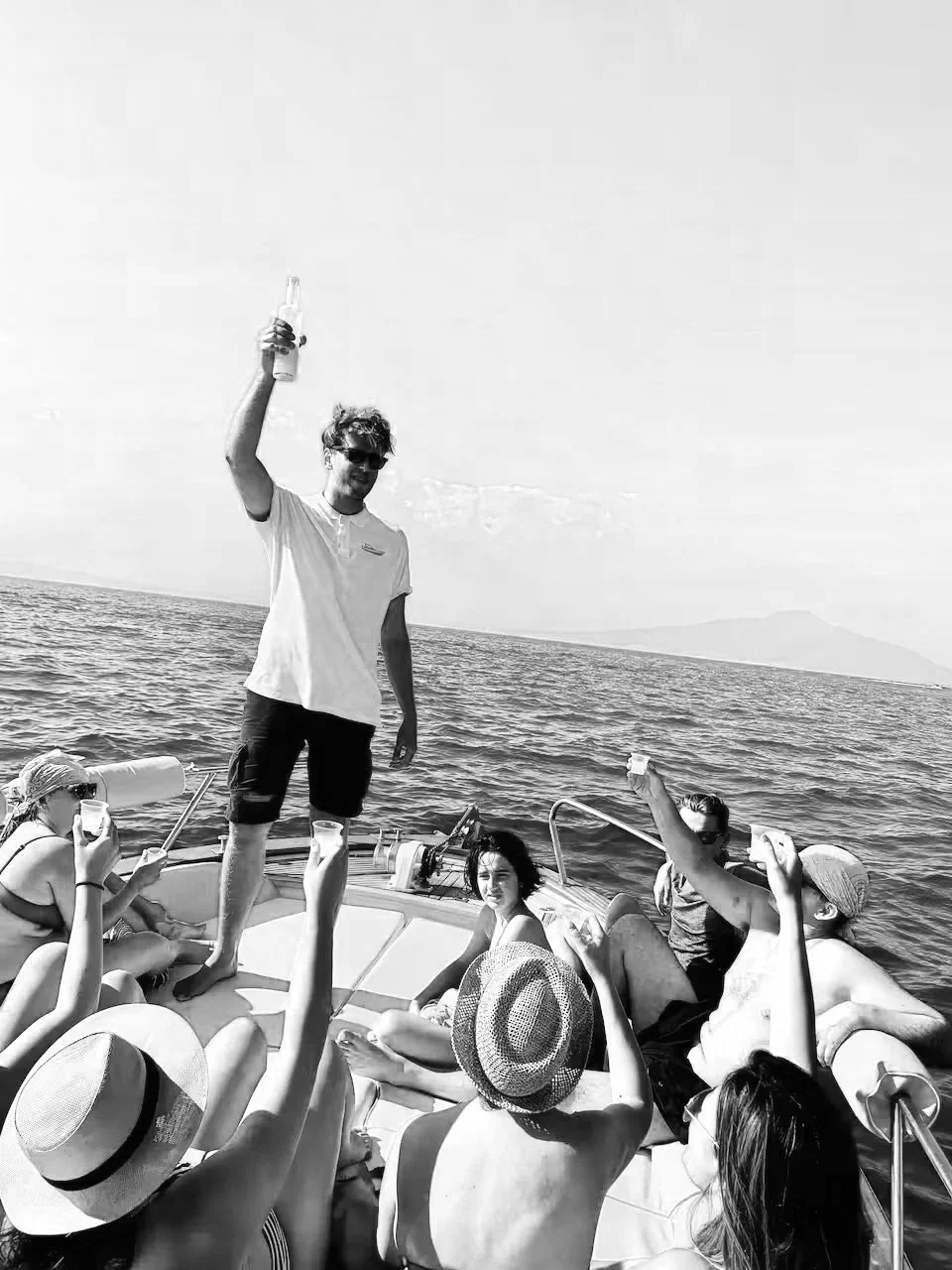
Exploring Capri by boat, Photo: Airbnb
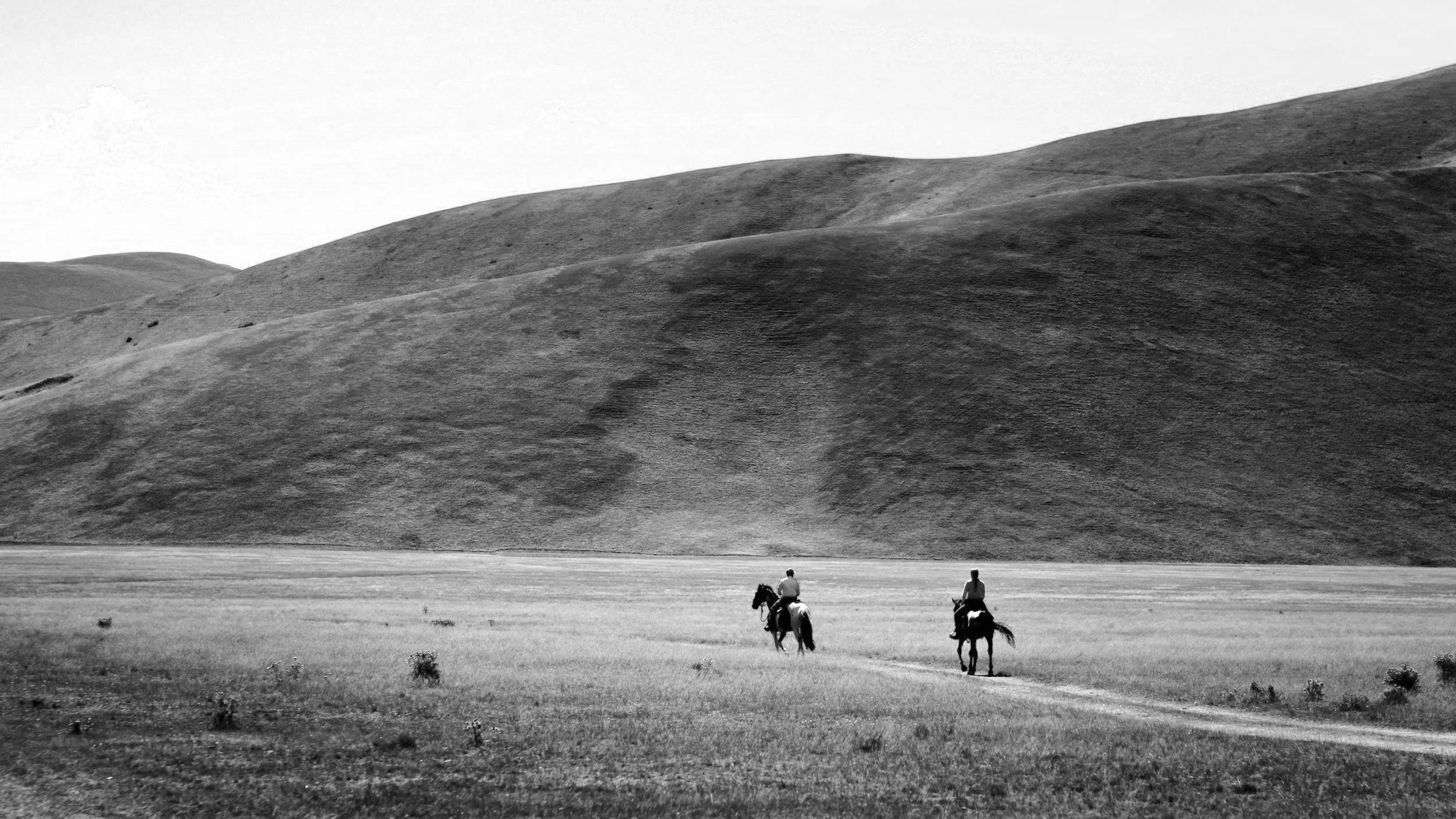
Explore Rome on a run, Photo: Airbnb
TURNING CURATION INTO A SCALABLE PRACTICE
Once the standard was clearer, the next challenge was making it operational.
In partnership with Design Program Management, I brought eight regional Offline Design curators into ownership of their Organic supply queues, giving them direct visibility into inbound supply and creating a stronger feedback loop between the realities of marketplace activity and regional experiential strategy. I managed weekly queue volume, worked one-to-one with curators on difficult cases and established recurring calibration rhythms around what quality looked like in practice.
I then extended that design lens upstream through biweekly sessions with Scaled Operations and more than thirty globally distributed vetting agents. Rather than simply repeating criteria, we worked through disputed cases and recurring patterns—helping reviewers develop stronger product understanding and experience design fluency while taking ownership of the creative standard.
The result was a more connected marketplace quality system: Design, Operations and regional teams increasingly made decisions from the same product language.


ENCODING THE CREATIVE STANDARD
To reduce dependence on manual escalation and individual curator review, I partnered with Scaled Operations to translate the nuances of supply quality criteria, experience design best practices and accumulated edge-case reasoning into an AI-assisted review system for the top of the funnel.
That work drove roughly 95% alignment between Design and upstream vetting decisions, significantly reducing the volume of cases requiring curator intervention while allowing more viable supply to quicker toward publication.
To further extend this work, I designed and built a one-click AI vetting tool that gave curators and vetting agents a rapid assessment of incoming supply, highlighted the areas requiring attention and recommended a routing decision. The purpose was not to automate taste, but to make creative reasoning more visible, consistent and portable—while preserving human judgment for genuinely ambiguous or consequential decisions.
FROM BACKLOG TO MARKETPLACE CAPABILITY
Across the program, I owned and directed experience design quality standards across eight curators and 30+ vetting agents, personally reviewing more than 3,000 individual Experience listings and coordinating across Design, Operations, Product Marketing, Supply and Merchandising.
The practice reduced an active backlog of more than 2,000 edge cases to fewer than ten in a typical week while sustaining approximately 24–48-hour turnaround. As a result, fewer listings required expert escalation, strong supply moved through the funnel more efficiently and Organic became a more dependable engine of marketplace supply and GBV during a critical period of expansion for the business.
The larger shift was organizational: quality moved from a late-stage design gate to a distributed marketplace capability—supported by shared standards, regional ownership, cross-functional calibration and AI-assisted infrastructure that helped Airbnb shape quality at scale.