AIRBNB DESIGN LEARNING & CULTURE
Program Management · Creative Production
Stewarding a learning and culture portfolio for Airbnb’s Design organization—and designing its flagship experience to strengthen craft, connection and creative leadership.
IMPACT
Strengthened learning and culture programs across manager development, coaching and organizational learning—while delivering a two-day flagship gathering for roughly 160 participants across live and distributed formats.
EQUIPPING THE DESIGNERS WHO SHAPE AIRBNB
Within Airbnb’s Design organization, Design Learning & Culture existed to support designers in their development as creatives and creative leaders. While the Senior Program Manager was on parental leave, I stepped into a Design Operations program-management scope to steward that portfolio, spanning coaching for Design ICs, manager-development programming and Design Refresher.
The mandate required both continuity and creation: keeping development programs moving while shaping experiences responsive to what the Design community needed most in that moment. Design Refresher became the most visible expression of that work—a two-day learning and culture experience that I helped shape, design and produce from concept through live delivery.
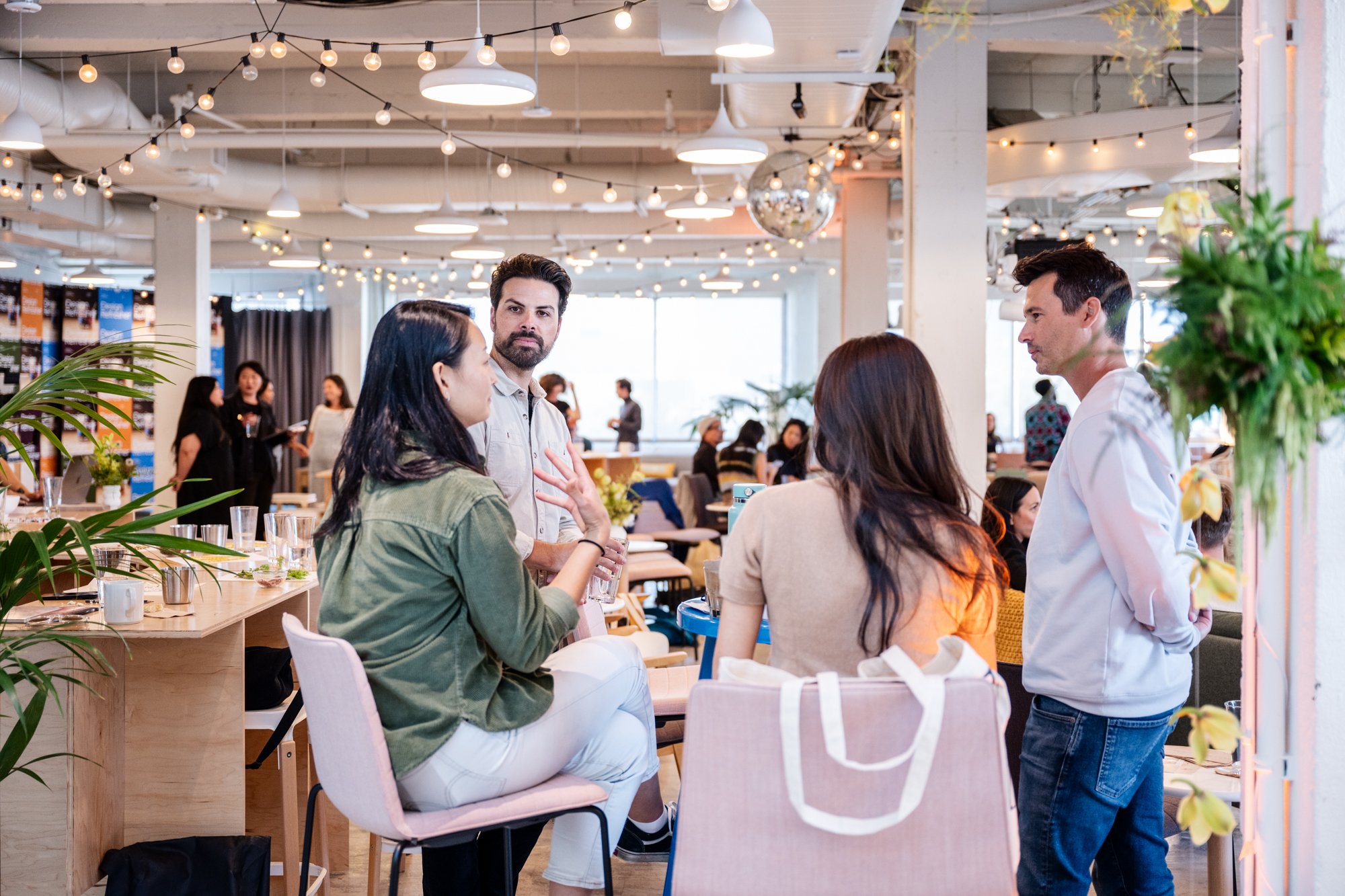
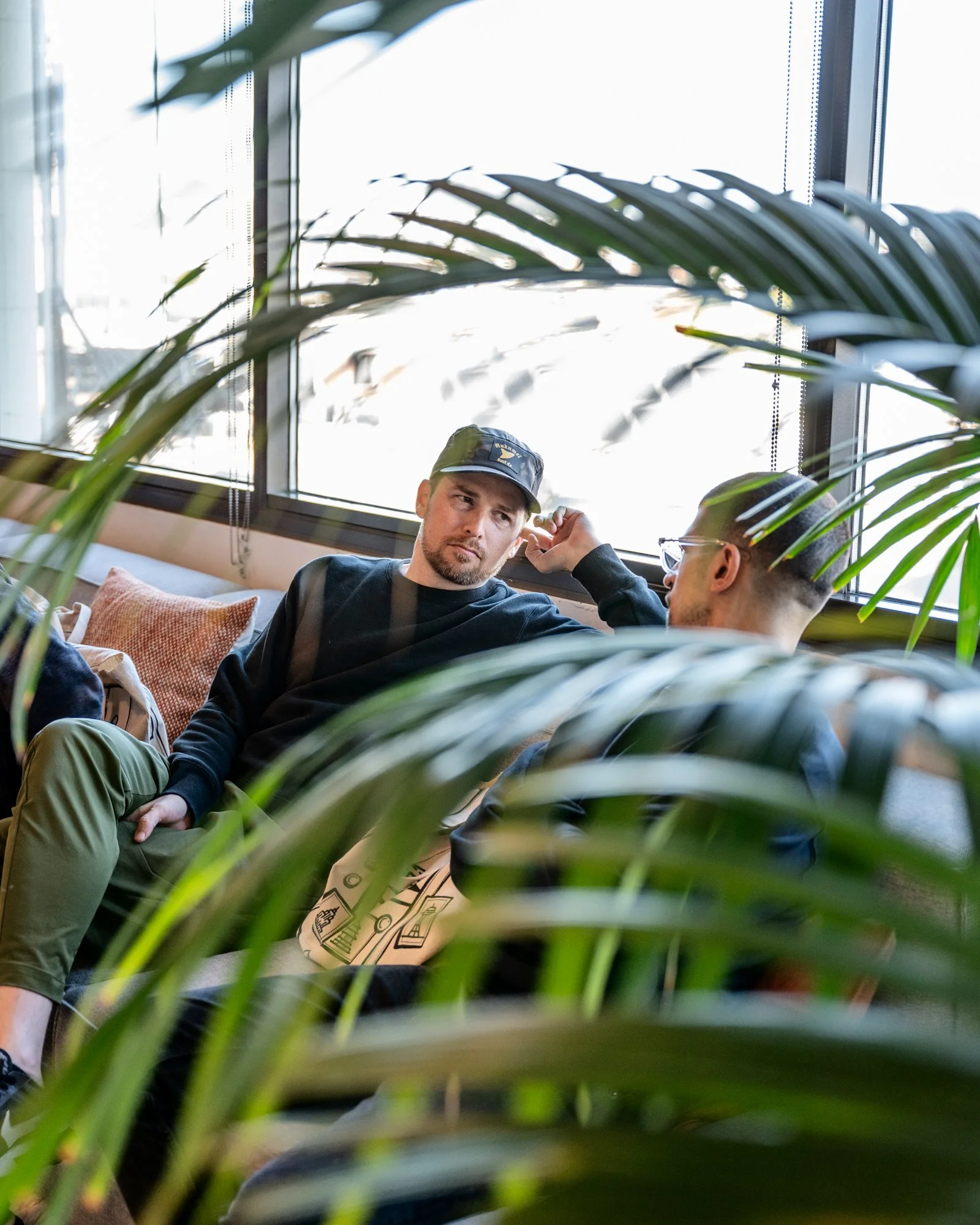
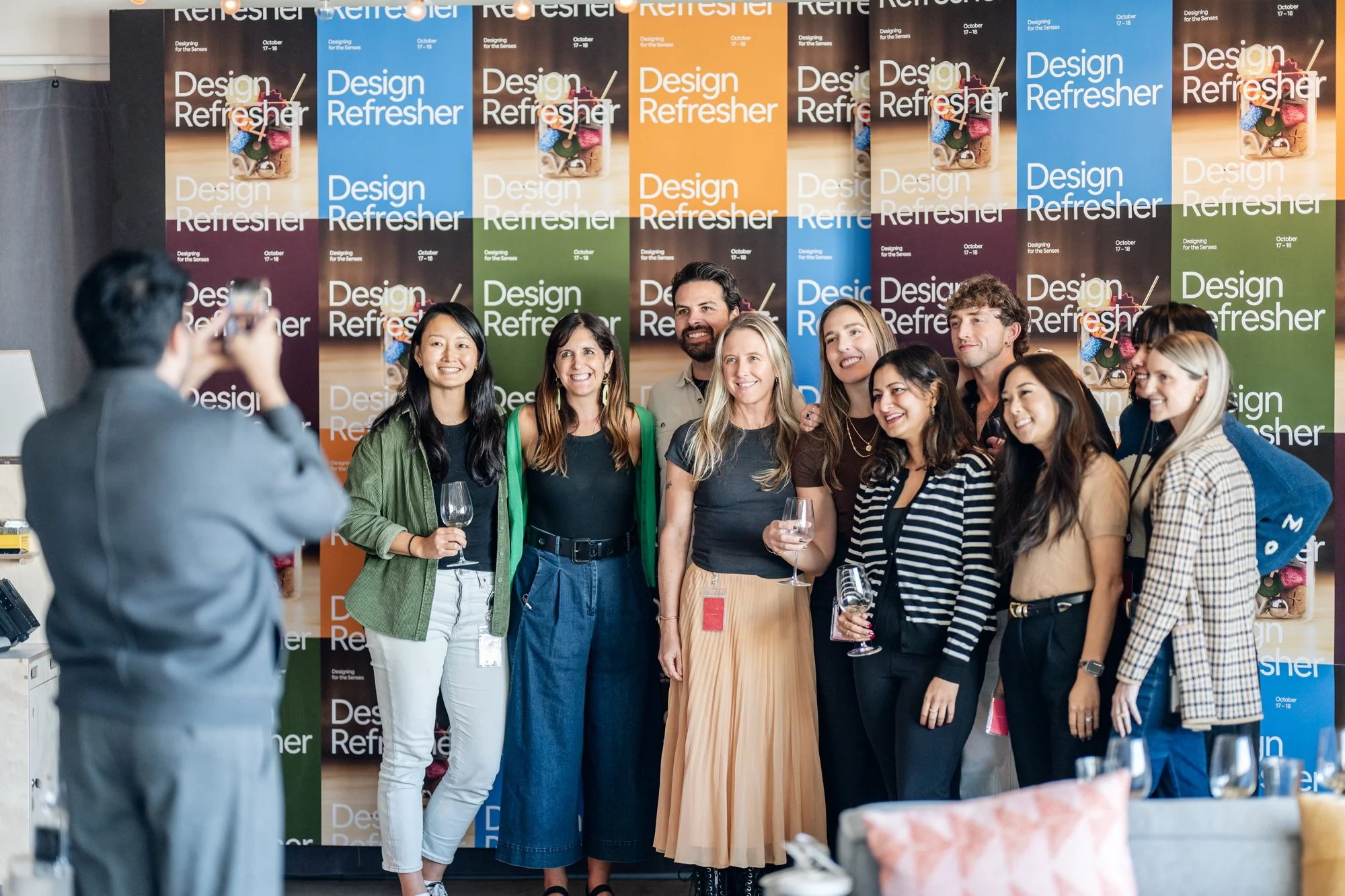
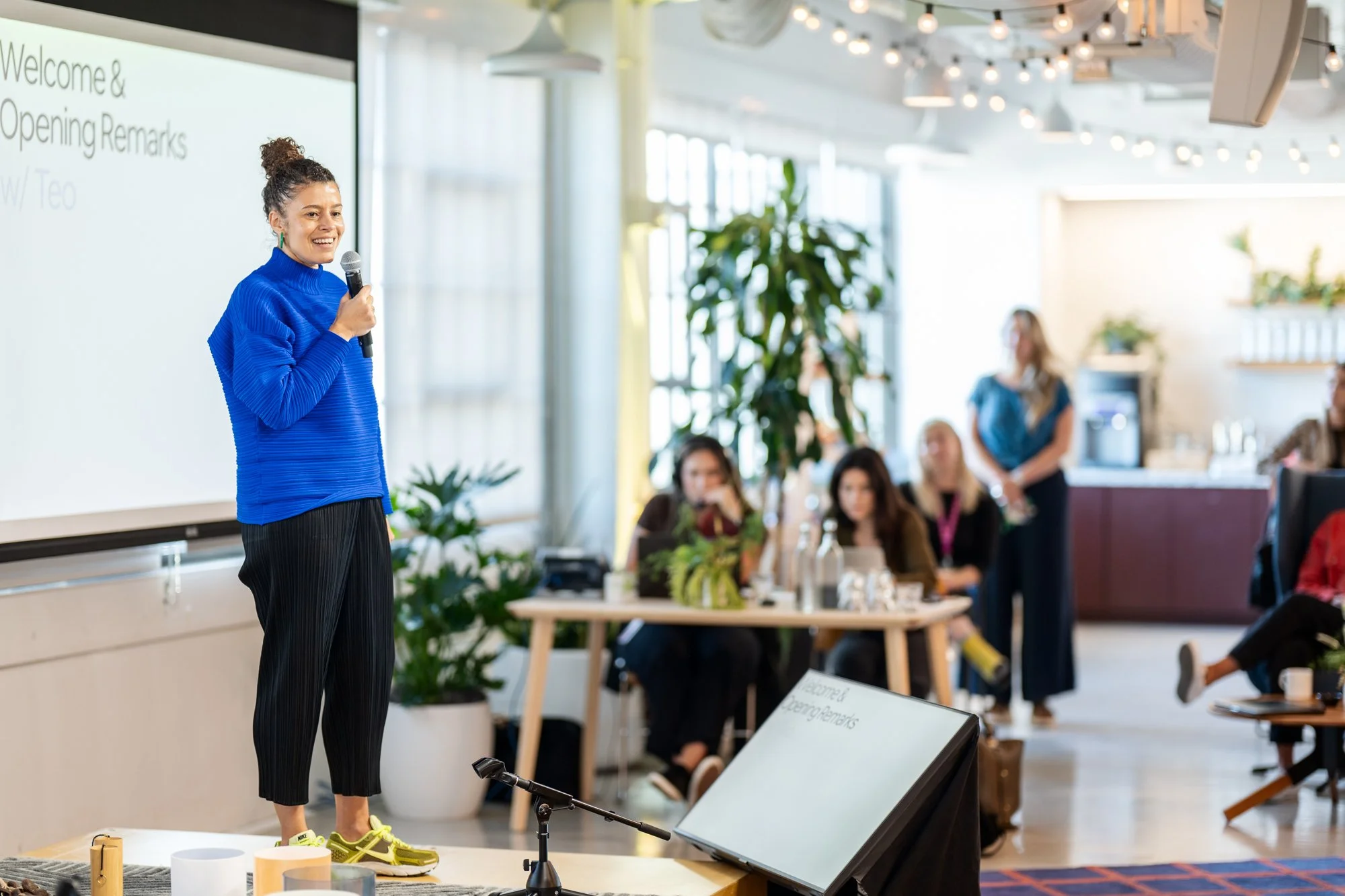
At a moment when so much creative work happened through screens, leadership wanted the 2024 edition to reconnect designers with the human sources of inspiration behind their work. I stepped into production as the theme, Designing for the Senses, was selected and helped turn that broad direction into a coherent two-day experience for a global Design community.
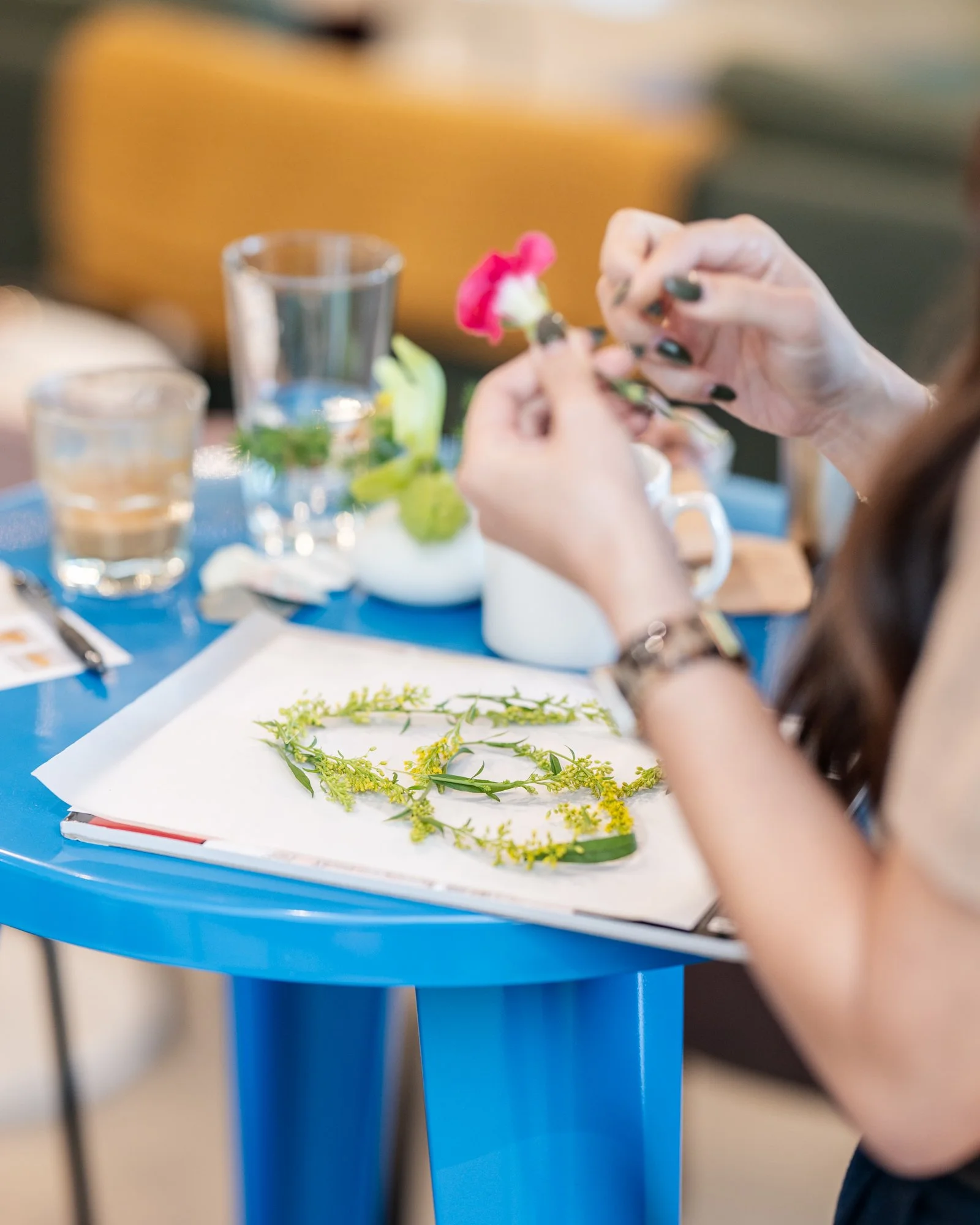
Working with Design leaders and creative partners, I shaped the program around how sight, sound, scent, touch, movement, memory and attention influence creative practice. Over two months, I helped build a mix of talks, workshops, reflection and embodied experiences that encouraged designers to step away from their laptops and engage more directly with the world around them.
The program brought together external voices including Stanford neuroscientist David Eagleman, and award-winning artists Joshua Vides and Tung Chiang with six Airbnb designers, spanning neuroscience, art, craft, scent, memory, lettering, balance and visual perception. The result was a broad but cohesive exploration of how designers can sharpen their practice by paying closer attention to how they perceive and experience the world.
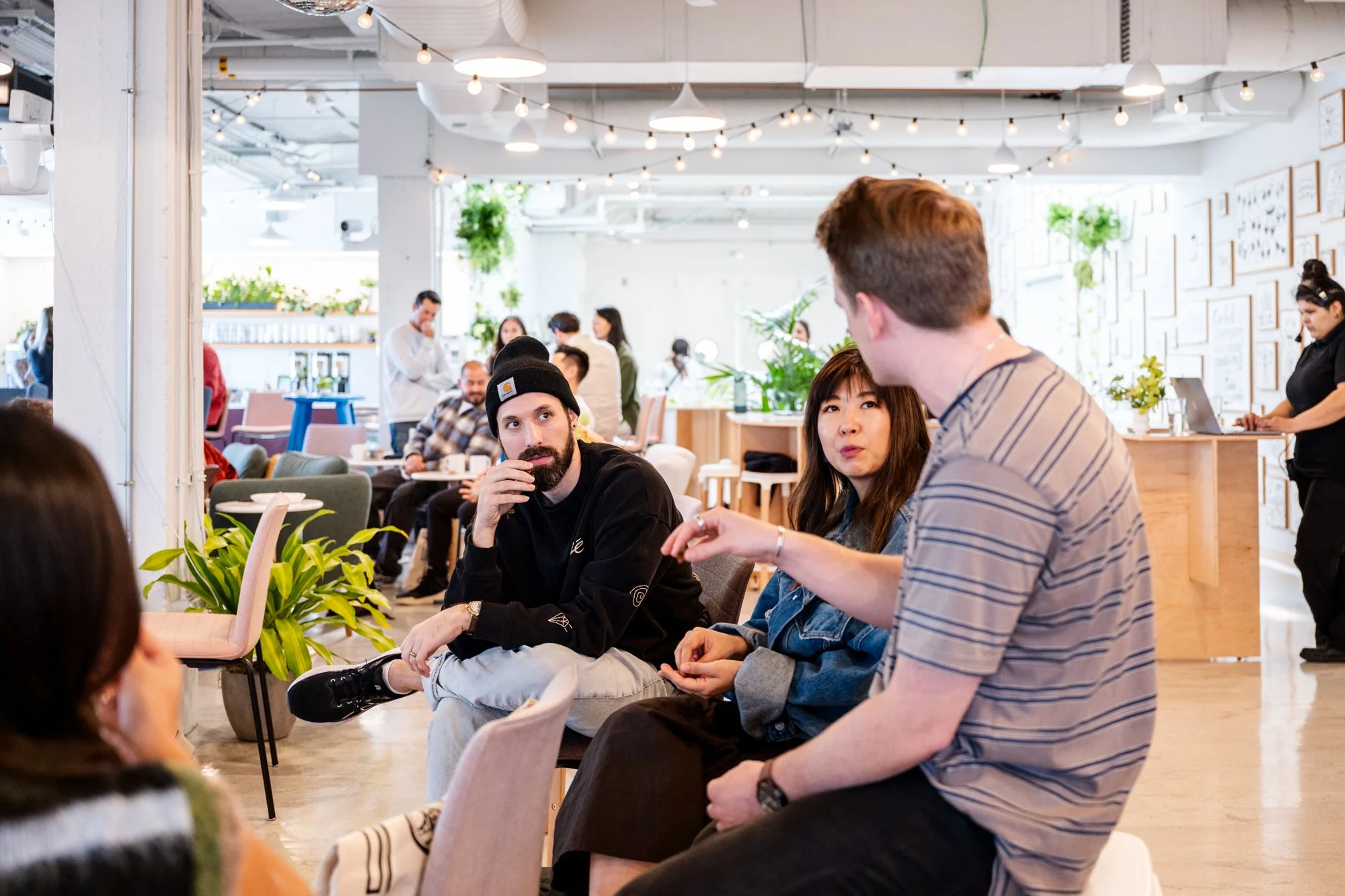
DESIGNING LEARNING AS A SENSORY EXPERIENCE
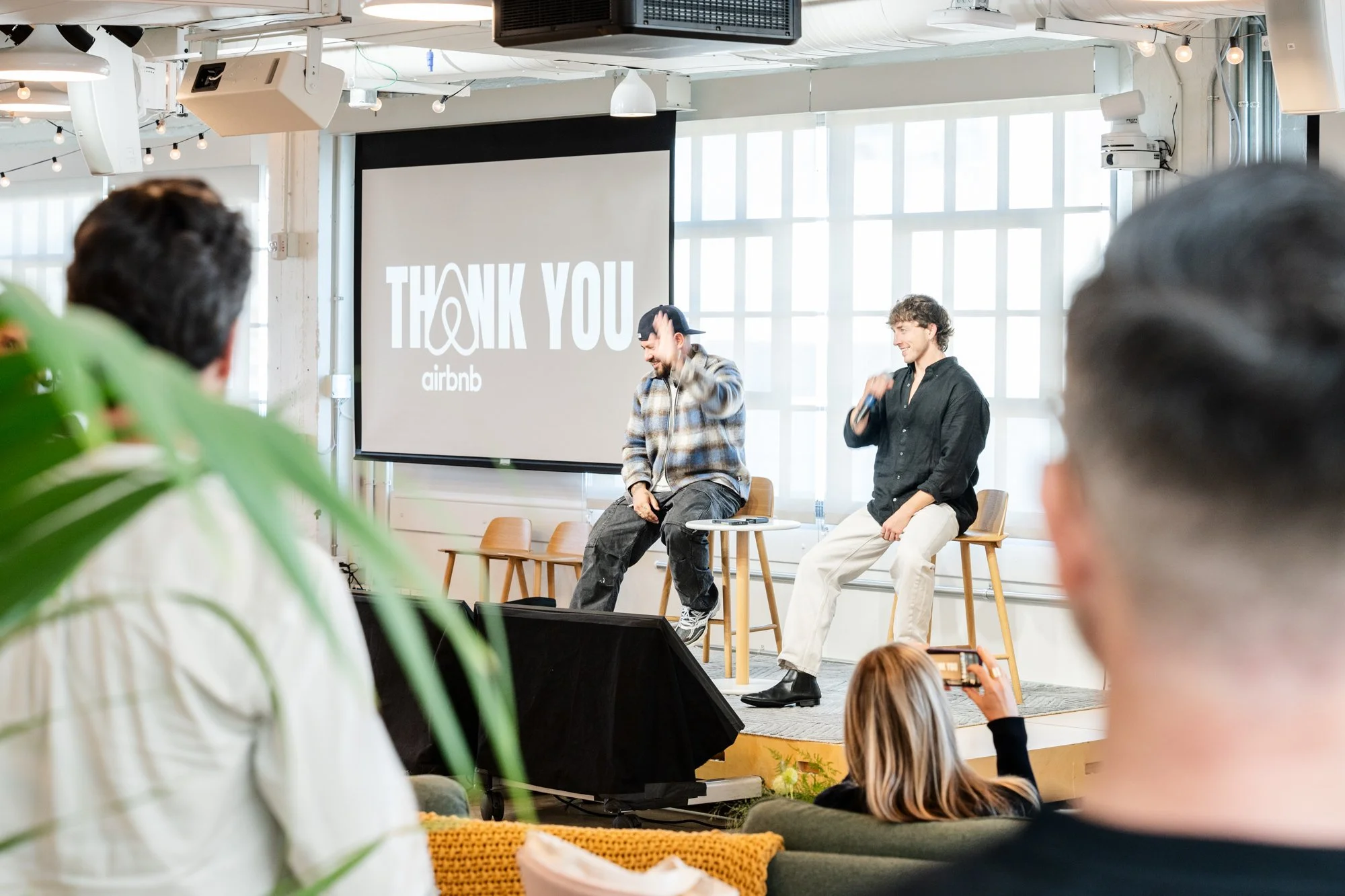
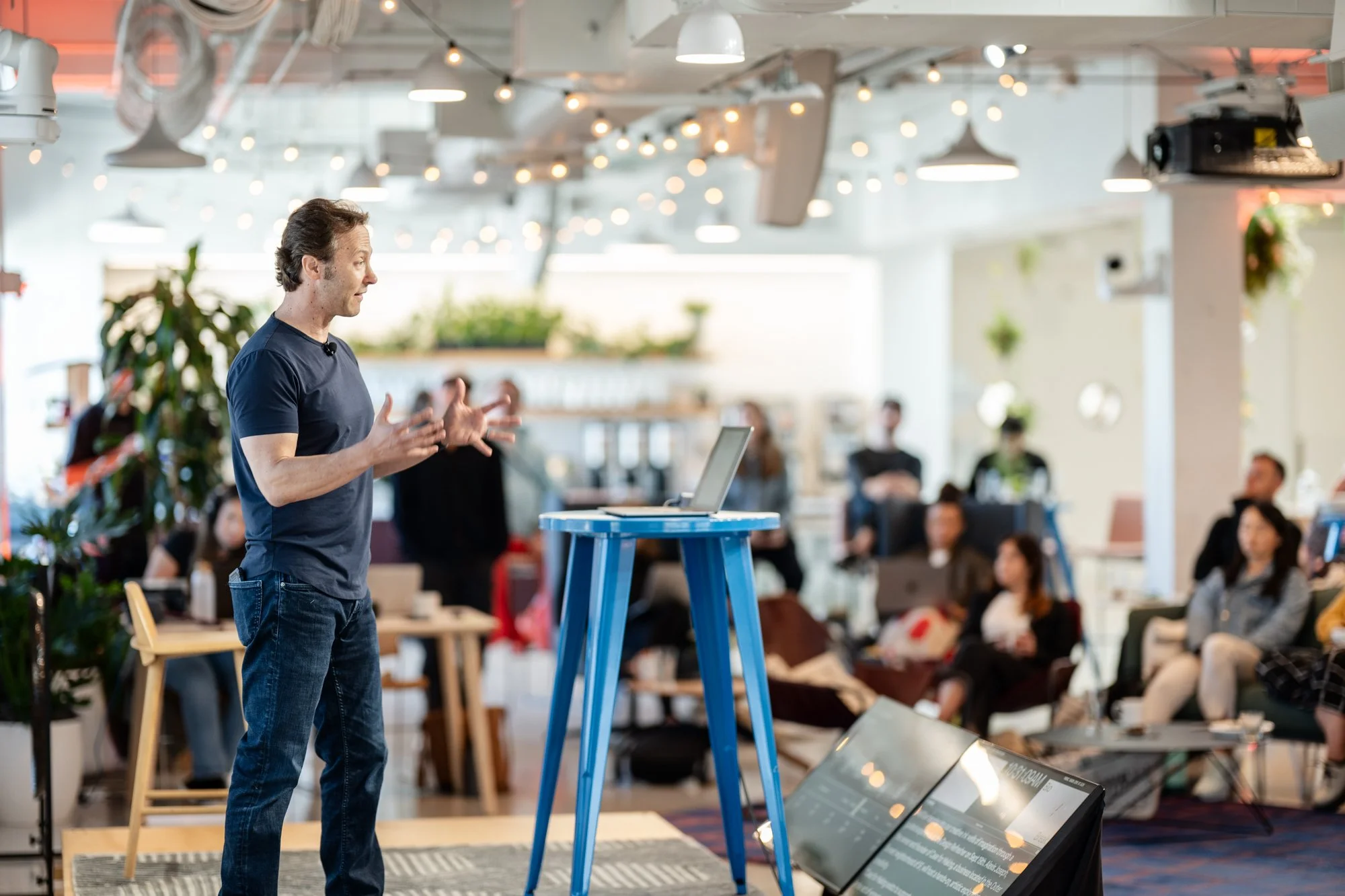
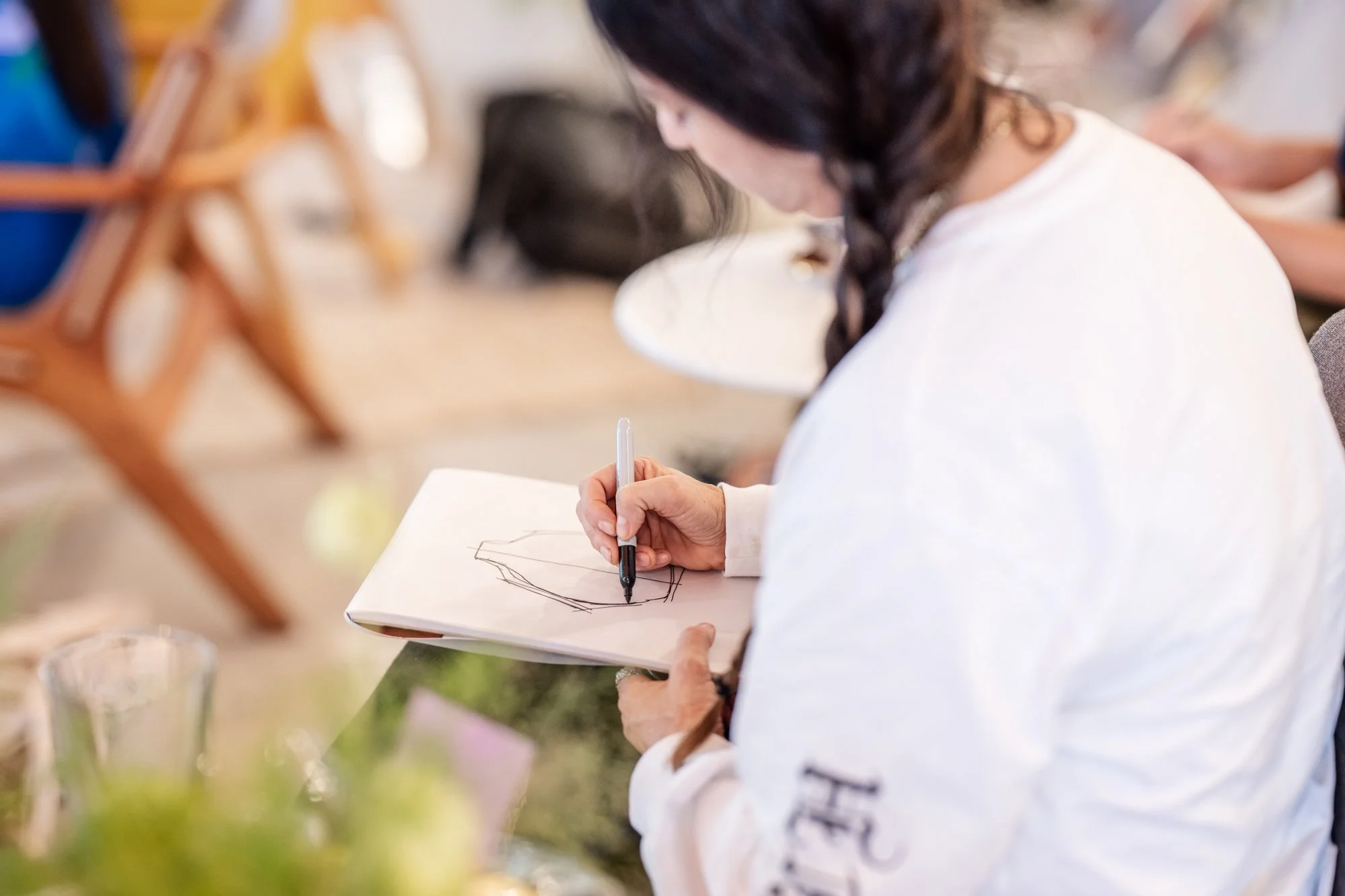
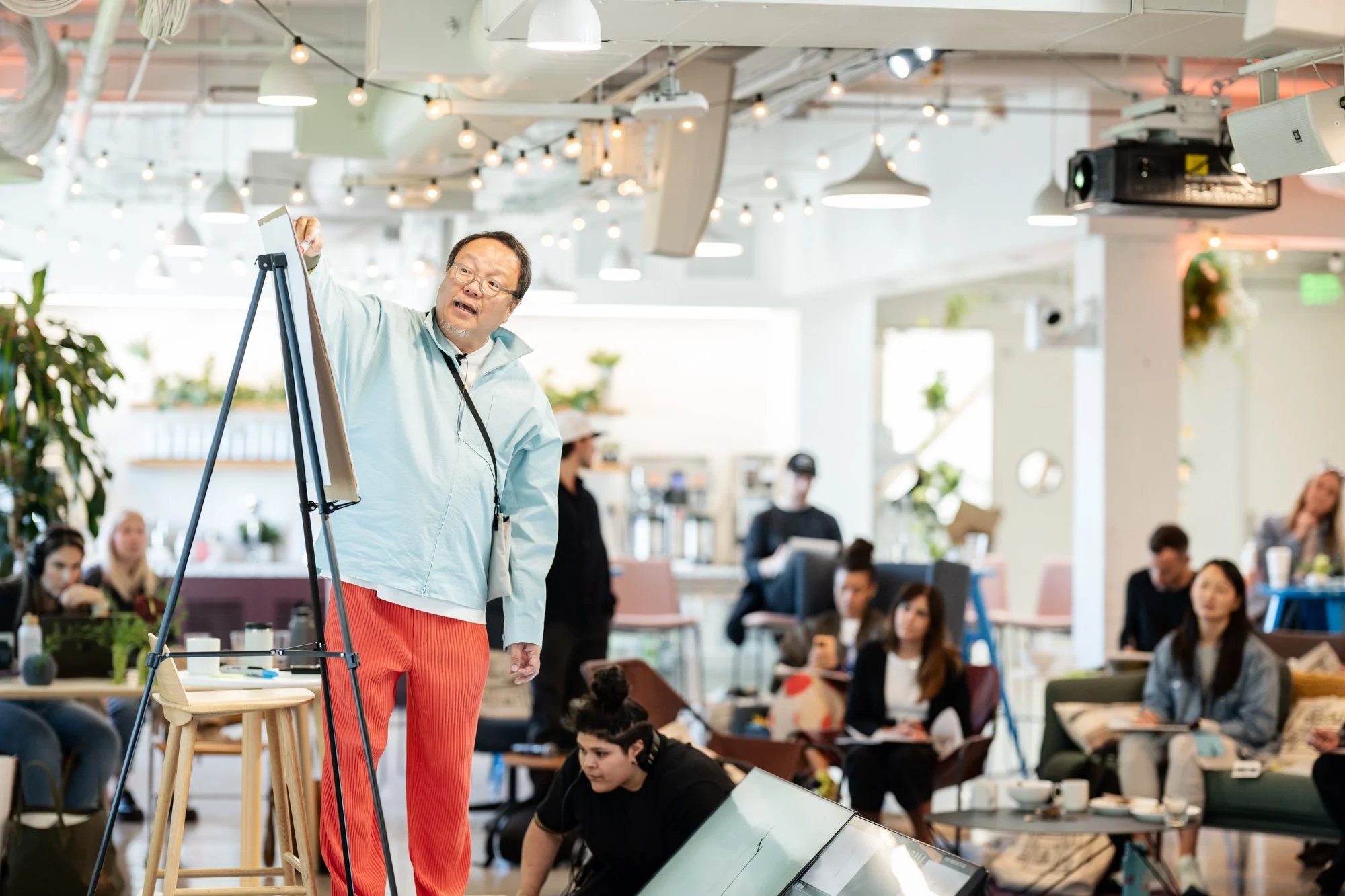
DESIGNING THE EXPERIENCE END TO END
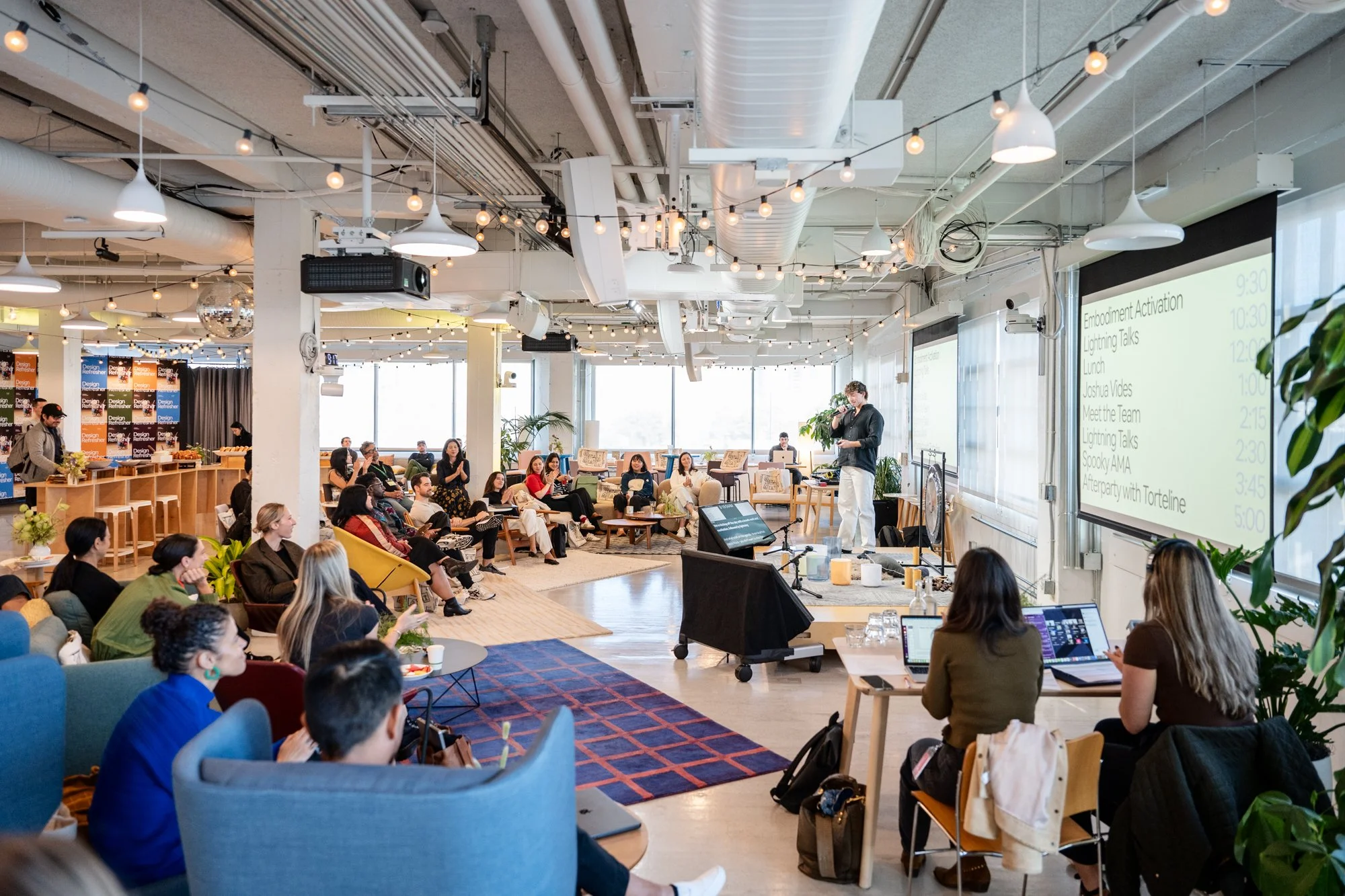
I led the program from creative direction into execution, working across Design Operations, Ground Control creative, communications, Environments, workplace and executive leadership teams to turn the brief into a complete two-day experience production. The work required holding the learning ambition, participant journey and production system together at once: shaping the agenda and formats, coordinating external speakers and internal contributors, designing moments of meditation, movement, making and reflection, aligning the physical environment to the sensory theme, and managing the practical realities of space, budget, hospitality, communications and run of show.
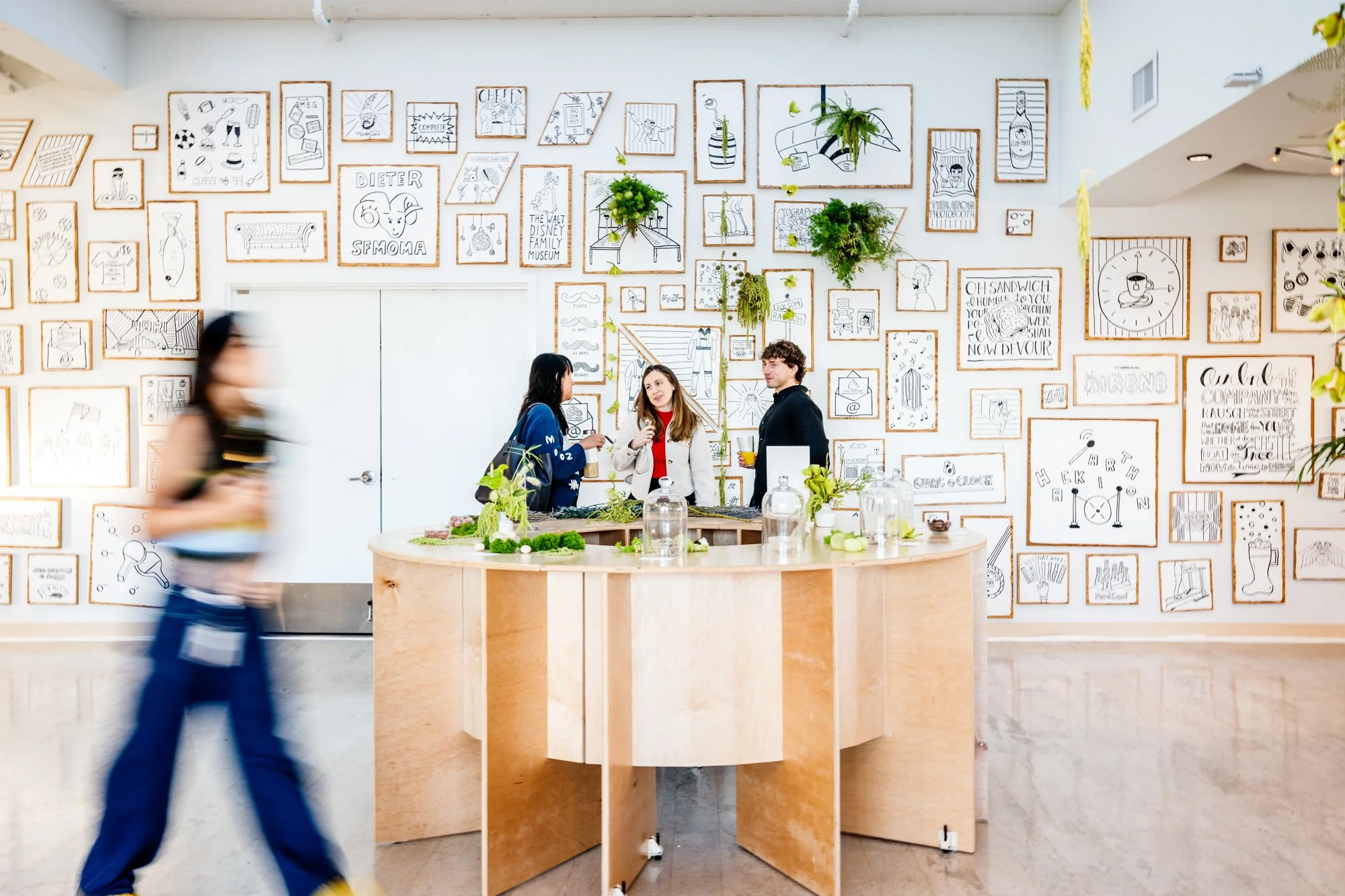
The environment itself became part of the learning architecture, moving participants through moments of entry, sensory threshold, ritual, focus and play so that changes in sound, posture, food, materials and activity reinforced the program rather than sitting beside it. In parallel, I partnered with Design team leads in New York and Beijing to develop satellite programming that extended the experience beyond San Francisco, giving regional teams a way to participate in the same creative moment while adapting it to their local context. The result was a hybrid program that felt coherent across locations without reducing the experience to a livestream.
RETURNING TO THE HUMAN SOURCES OF CREATIVITY
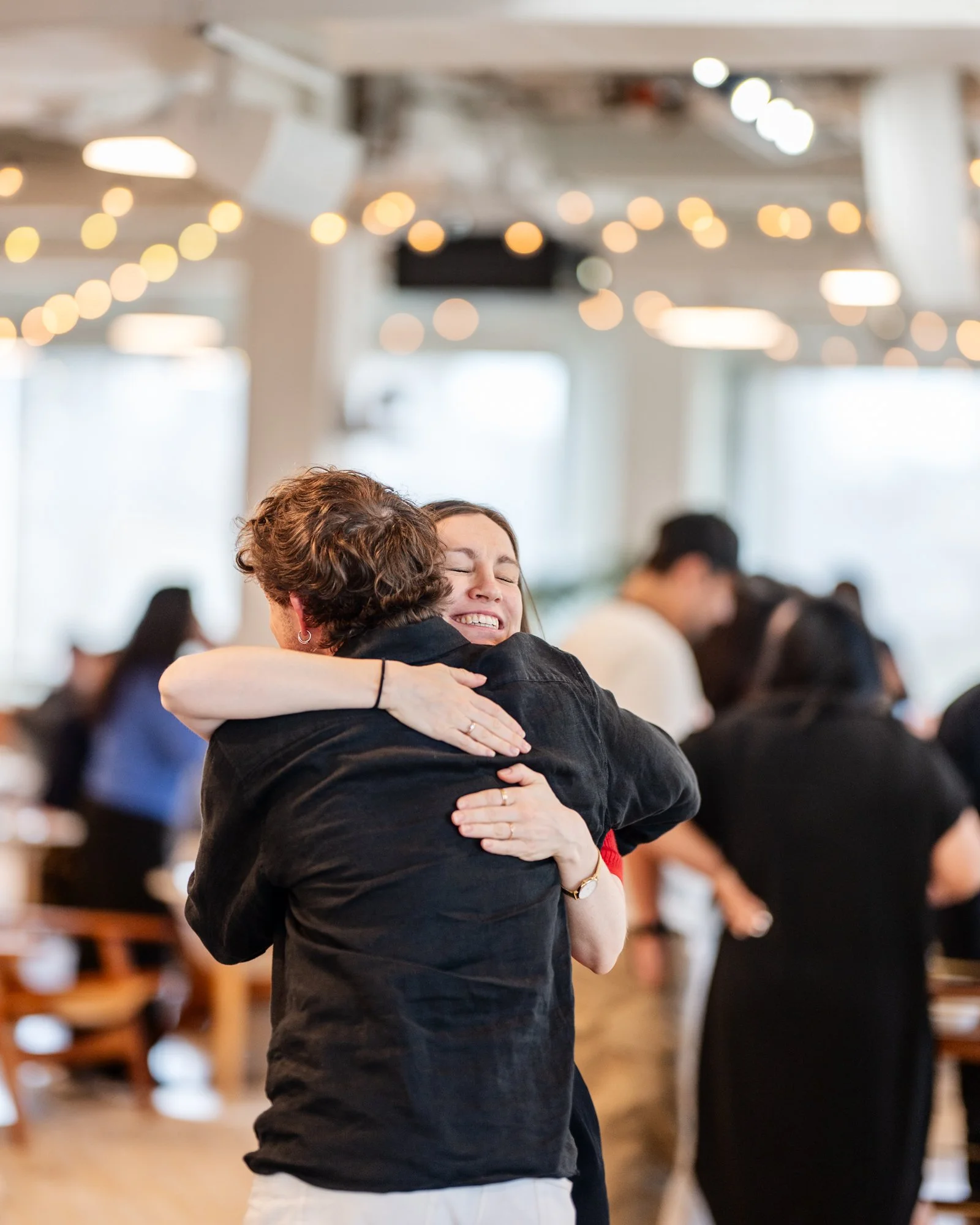
I delivered Design Refresher under budget and with the program’s highest NPS to date at the time, alongside strong feedback from Airbnb’s VP of Design and Chief Experience Officer. One of the moments leaders returned to most was also one of the simplest: the sound-bath meditation that opened the program. Before asking designers to think or make differently, we gave them space to slow down, become aware of their bodies and attention, and arrive fully in the experience.
That response reinforced why the brief mattered beyond the event itself. As AI increasingly changes how designers generate, analyze and execute work, creative leadership also depends on capacities technology cannot supply for us: attention, perception, intuition, empathy and shared human experience. Design Refresher created space for the organization to practice those capacities together.